
Overview
- Most of the preparation is simple: confirm dates and scope, clear access, protect your belongings and plan around noise.
- Inside the house, take down wall hangings, cover or move attic items and expect vibration, dust and noise.
- Outside, park on the street, clear the area around the house, mark plants and sprinklers, and keep pets and children away from the work zone.
- A typical asphalt job often takes one to three days, but weather, roof size and complexity can change that.
- In Ottawa, ask how your crew handles eave protection, ventilation and winter or wet-weather delays.
- After the job, do a walk-around for stray nails and keep your contract, permit and warranty paperwork.
Introduction
The contract is signed and a start date is on the calendar. Now what? A roof replacement is a loud, busy job, and a few hours of preparation make it much smoother for you, your family and your neighbours. Most of what you need to do is common sense, but a handful of steps are easy to forget until the crew is already on site.
This guide is a practical checklist for homeowners planning Roofing Ottawa work. It covers what to arrange in the weeks before, how to protect the inside of your home and your yard, what to expect during the work, and what to check when the crew leaves. Nothing here needs special skills, only a bit of planning.
If you are still at the quote stage, our guide to how long a roof replacement takes is a useful companion to this one.
One to two weeks before: confirm the details
A good Roof replacement Ottawa project starts with clear answers. Before the crew arrives, confirm these with your roofer in writing:
- Start date and expected length. Ask what happens if rain, wind or cold pushes the schedule back, and how you will be told.
- Scope. Which materials are being used, whether the decking will be inspected, and how any rotted wood will be priced if it turns up once the old roof is off.
- Permits. A straight shingle replacement is generally exempt in Ottawa, but structural work is not. Our guide on whether you need a building permit explains where the line sits, and who is responsible for the paperwork.
- Delivery and dumpster. Ask when materials arrive and where the dumpster will go. Most are placed in the driveway.
- Access. Ask whether the crew needs an outdoor outlet or access to a washroom.
- Rooftop items. Satellite dishes, solar panels and similar items may need to be removed and reinstalled, which should be arranged ahead of time. Expect a short interruption to some services.
It is also worth photographing your driveway, lawn and exterior beforehand. If you have not had the roof assessed recently, a professional Roof inspection Ottawa homeowners can rely on will confirm the scope before work begins, so there are fewer surprises on the day.
Inside your home: attic, walls and belongings
The nailing on a roof vibrates the whole house, and dust and debris can shake loose from the attic. Manufacturers’ own homeowner guides recommend the same simple steps. (IKO: how to prepare for a roof replacement)
- Clear and cover the attic. Move anything fragile or sentimental out of the attic, and lay drop sheets over what has to stay. Attics collect the most dust during a re-roof.
- Take things off the walls. Remove mirrors, pictures, wreaths and loose shelving, especially on the top floor. Make sure breakables are not touching each other or the wall.
- Check the garage. If the garage is under the roof being replaced, move valuables or cover them, because garages are often uninsulated and dust can drop through.
- Plan for noise. Home offices, naps and online meetings do not mix well with a roofing crew. Plan to be out, or work in a room far from the roof.
- Protect valuables near the ceiling. Items on high shelves and in upstairs rooms are the most likely to shift.
If you have a finished attic, cathedral ceiling or skylights, tell your roofer ahead of time so they can plan around them.
Outside: yard, driveway, plants, pets and neighbours
Outdoors, the aim is to give the crew clear access and keep falling debris away from things that matter.
- Park on the street the night before. Leave the driveway free for the dumpster and deliveries, and keep cars out of the garage if shingle debris could fall through.
- Clear a wide zone around the house. Move patio furniture, barbecues, toys, planters and decorations at least a few metres back from the walls. Some guides suggest about 4.5 metres (15 feet).
- Protect plants and features. Mark valuable plants and sprinkler heads and cover flower beds with a tarp or netting. Ask the crew to protect outdoor lighting, water features and your air conditioner unit.
- Cut the grass. Short grass makes it easier to spot stray nails at the end.
- Unlock gates. The crew needs access to all sides of the house. Where a fence or gate blocks the way, many homeowners call Fence contractors Ottawa crews to adjust or open a section ahead of time, or simply leave the gate unlocked.
- Keep pets and children safe. Dogs and cats are best inside, ideally away from the loudest side of the house or at a friend’s place. Children should stay clear of the work zone and wear shoes outside afterward.
- Tell your neighbours. A quick heads-up about noise, the dumpster and a possible shared driveway goes a long way.
Ottawa specifics: season, weather and what the code expects
Timing and weather. Roofing is weather dependent. Rain, strong wind and cold can all delay a job, and shingle sealant strips need some warmth to bond. Late spring through early fall is the easiest window, while winter work is possible but often means hand-sealing shingles and tighter scheduling. Ask your roofer how they handle a forecast that turns mid-job, and what temporary protection they use if the roof has to be left open overnight.
Eave protection. Ottawa’s freeze and thaw cycles and heavy snow make ice dams a real risk. The Ontario Building Code requires eave protection on shingle roofs in colder regions, in section 9.26.5.1, and the usual requirement is a membrane that runs at least 900 mm up the slope from the roof edge and to a line at least 300 mm inside the inner face of the exterior wall. Exemptions exist for certain situations, so ask your roofer to confirm what applies to your home. (Ontario Building Code)
Attic ventilation and insulation. A new roof is the best moment to fix ventilation. Our posts on how a ridge vent extends roof life and attic insulation and heat loss in Ottawa explain what to ask about. If you plan to add insulation, think about scheduling it close to the roof work.
Housing types. Townhomes and semi-detached homes often share walls and sometimes driveways, so warn neighbours and ask the crew where materials will be staged. Older homes in central Ottawa can have steep pitches and tight access, and rural properties around Oxford Mills and Kemptville may have long driveways and open lots where wind spreads debris further.
During the job and the final cleanup
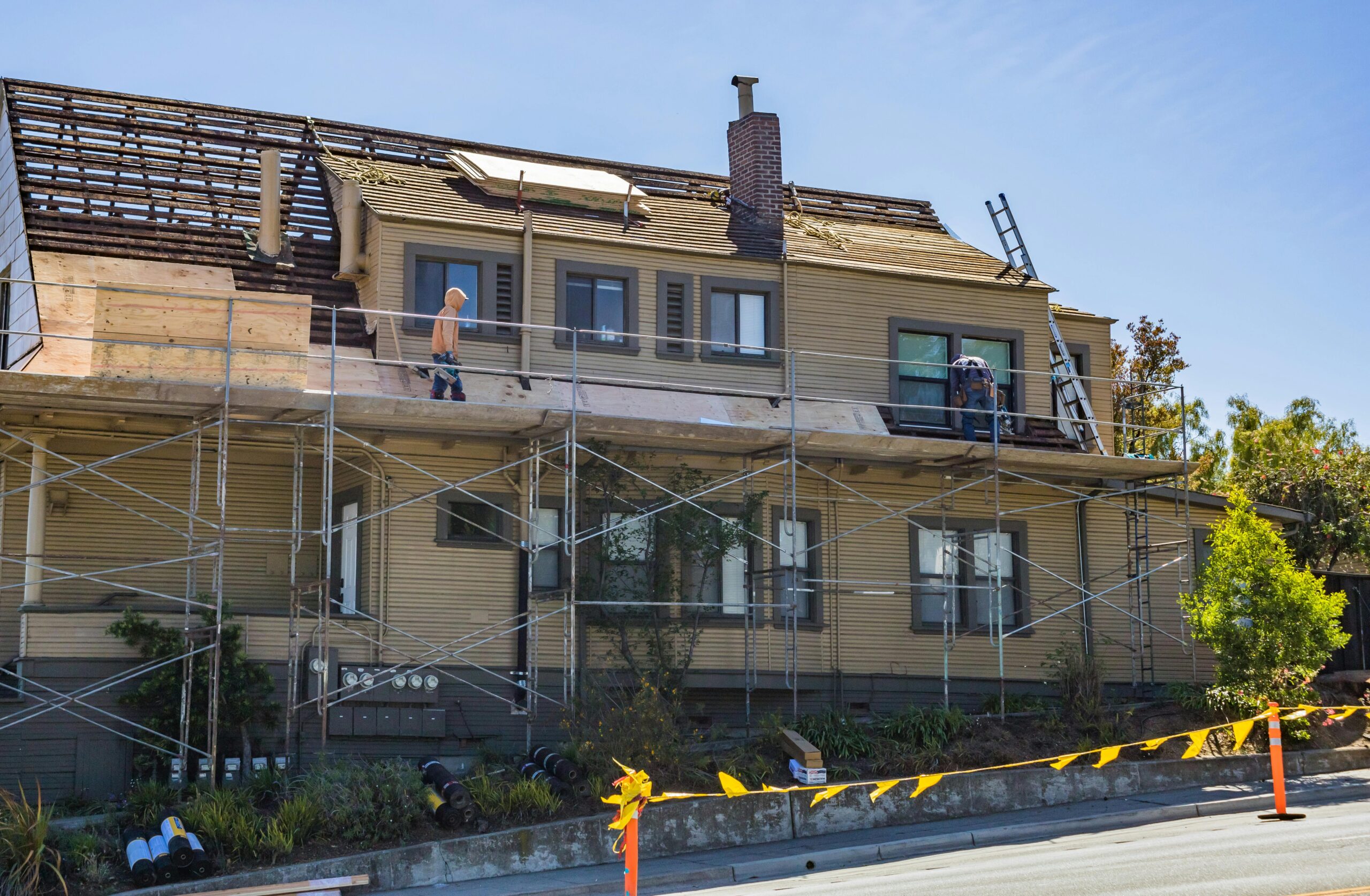
What happens on the day. Crews usually start early. They tear off the old roofing into tarps, drop debris into a dumpster, inspect the decking, install eave protection and underlayment, then the new roofing and flashing. A typical asphalt shingle job is often completed in about one to three days, though larger or more complex roofs take longer. A manufacturer guide describes two days as typical.
If you chose a different material, the process changes. Homeowners comparing Metal roofing Ottawa options should know panels are often installed faster on simple roofs but involve different tools and noise, so ask your contractor what to expect.
Stay out of the way. Keep pets and children away from the work zone, avoid walking under the roof edge and leave the crew’s equipment alone.
Do a walk-around at the end. Once the crew finishes, look over your yard, driveway, flower beds and gutters for nails and shingle scraps. Roofers should clean up after themselves and use magnets or other tools to sweep for nails. If you find a nail later, ask them to come back for another sweep, because it may mean there are more in the grass. Check that gates are closed, tarps are gone and your property is as you left it.
Keep your paperwork. Save the contract, any permit, the invoice and the written warranty. If your insurer asks about roof age, the paperwork shows when it was replaced. Our guide to how to check a roofing contractor in Ottawa also covers what a reputable crew should provide.
Mistakes to avoid
Leaving the attic as it is. Dust and small debris do shake loose. Cover or move what you care about.
Forgetting the driveway. A parked car in the way of the dumpster delays the job. Park on the street the night before.
Not warning the neighbours. A short note avoids complaints about noise and debris.
Skipping the pre-job conversation. Agree on start date, weather delays, extra repair pricing and cleanup before work begins, not after.
Assuming pets will cope. The noise stresses animals. Plan a quiet room or an alternative.
Not checking for nails afterward. Walk the yard and driveway, and ask for another magnet sweep if you find any.
Hiring on price alone. Preparation helps, but the quality of the crew, the materials and the installation matter most. Check references, insurance and WSIB coverage before you sign.
FAQ
Do I need to be home during a roof replacement?
Not usually, but it helps to be reachable. Many homeowners stay for the start and the final walk-through, and leave during the noisiest hours.
How long does a roof replacement take?
A typical asphalt shingle roof often takes about one to three days. Larger, steeper or more complex roofs, and weather delays, can add time.
Will the noise damage my house?
The hammering vibrates the house, which is why wall hangings and fragile items should be moved. Manufacturers’ guides say there is no long-term damage from this normal vibration.
Do I need to empty my attic?
Not all of it, but move anything fragile or valuable and cover what remains. Dust drops through the roof deck during tear-off.
What if it rains mid-job?
A good crew tarps the open sections and pauses. Ask your roofer in advance how they handle changing weather.
Should I move my car?
Yes. Park on the street the night before so the dumpster and deliveries have room, and keep cars out of the garage if debris could fall through.
Does a flat or commercial roof need different preparation?
The basics are the same, but access, tenant notice and rooftop equipment matter more. Property owners looking into Commercial flat roofing Ottawa work should plan around drains, HVAC units and operating hours, and our flat roof replacement guide is a good starting point.
Should I schedule other exterior work at the same time?
Usually it is better to finish the roof first. Homeowners planning Fencing installation Ottawa projects, new landscaping or a deck should wait until the roof is done so falling debris and ladders do not damage new work.
What should I check after the crew leaves?
Walk the property for nails and scraps, look at the gutters and flashing from the ground, confirm the dumpster is gone and keep your warranty paperwork.
Summary
Preparing for a roof replacement comes down to four things: clear answers before work begins, a protected house, a clear yard and driveway, and a careful walk-around afterward. Take down wall hangings, cover the attic, park on the street, mark plants, keep pets safe and warn your neighbours. In Ottawa, ask about weather delays, eave protection and ventilation as well.
Want a clear plan and a written quote for your own roof? Call Taylor Roofing at 613-416-6215 or request a free quote, and we will explain exactly what to expect from start to finish.