

When a tree falls onto your roof, it’s a real headache. Suddenly, you’re dealing with potential leaks, damaged shingles, and maybe even bigger structural issues. This guide breaks down what you need to do right away, what to expect regarding repair costs, and how to work with your insurance company for that dreaded roof damage caused by fallen trees. We’ll also touch on how to prevent this from happening again.
Key Takeaways
- Safety first: If a tree has hit your roof, get out of the house if it looks unstable and keep everyone away from the damaged area.
- Call your insurance company right after you’ve made sure everyone is safe. They need to know about the damage caused by the tree.
- Capture detailed photos and videos of all the damage from the ground before you touch anything. This is proof for your insurance claim.
- Cover any holes in the roof with a tarp to stop more water from getting in. This is a temporary fix.
- Get a professional roofer to fix the damage and a tree removal service to get the tree off your house safely.
Immediate Steps to Take After Tree Damage to Your Roof
If a tree has come down on your roof in a sudden impact, here’s what to do first. It’s definitely a challenging situation, no doubt about it. The first thing you need to do is take a deep breath and focus on safety. Don’t just rush out there without thinking.
Assess the Damage Safely
Your safety, and that of your family, comes first. If the tree has caused significant damage, like a big hole, or if the roof looks like it’s sagging, it might not be safe to even be inside the house. If you see any signs of structural compromise, like cracks in walls or ceilings, or if there are downed power lines nearby, get everyone out of the house immediately. Seriously, don’t mess around with that. If things look dicey, call emergency services. Once you’re sure the immediate area is safe, you can try to get a look at the damage from the ground. Never walk on a damaged roof; you can’t tell how stable it is, and it’s just asking for trouble. Use a ladder to get a better view from a safe distance if needed.
Document the Damage
This part is crucial for a smooth insurance claim. Before you move anything or start any cleanup, grab your phone or camera. Capture detailed photos and videos from different angles. Get wide shots of the whole house and the tree, then zoom in on the specific damage to the roof, gutters, siding, or anything else that’s affected. If you can, use a device that automatically timestamps your photos – that’s a bonus. Also, make a written list of everything you see that’s damaged. This visual and written record is your proof for the insurance company. It helps them understand the full extent of what happened and supports your request for emergency roofing services.
Secure Your Property
Once you’ve documented everything, you need to prevent further damage. If there’s a hole in the roof, you’ll want to cover it up temporarily. A heavy-duty tarp secured tightly can do wonders to keep the rain out. If you have buckets handy, place them under any interior leaks. If water is getting into electrical areas, shut off the power to those circuits if it’s safe to do so. You might also want to move any valuable items away from damaged areas inside the house. If the tree itself is still precariously balanced or posing an immediate threat, you might need to cordon off the area to keep people and pets away until professionals can deal with it.
Common Types of Roof Damage Caused by Trees
When trees and your roof have an unfortunate encounter, the damage can range from minor annoyances to major structural problems. It’s not just about a whole tree falling on your house roof; even smaller incidents can cause significant issues over time. Understanding these common types of damage is the first step in knowing what to look for and how to address it.
Falling Branches and Debris
This is probably the most frequent type of damage. A strong gust of wind, a heavy rainstorm, or even just the natural shedding of deadwood can send branches and leaves tumbling down. While a small twig might not do much, larger branches can crack shingles, dislodge them entirely, or even punch holes through the roofing material. The accumulation of leaves and smaller debris can also be a problem. This stuff can get packed into your gutters, causing water to back up and pool on your roof, leading to rot and leaks. It can also act like a damp blanket on your shingles, accelerating their deterioration.
Uprooted Trees and Structural Damage
When an entire tree, or a significant portion of its root system, gives way, the impact on your home can be catastrophic. This type of storm damage, whether from branches or the entire tree, can severely compromise your roof’s structure. We’re talking about collapsed sections of the roof, major holes, and compromised framing. This is the most serious scenario and often requires immediate professional attention to prevent further collapse and water intrusion. The sheer weight and force involved can fundamentally alter the integrity of your home’s structure.
Hidden Damage: Cracked Shingles, Leaks, and Water Intrusion
Sometimes, the damage isn’t immediately obvious. A glancing blow from a falling branch might not create a gaping hole, but it could cause hairline cracks in shingles or loosen their seals. Over time, these small imperfections allow water to seep underneath the roofing material. This water can then travel down into your attic, insulation, and eventually your ceilings and walls. You might not notice this until you see water stains or mold. It’s a sneaky problem that highlights why a thorough inspection after any significant weather event is so important. Don’t underestimate the potential for hidden roof problems after a storm.
Understanding Your Insurance Coverage for Tree Damage
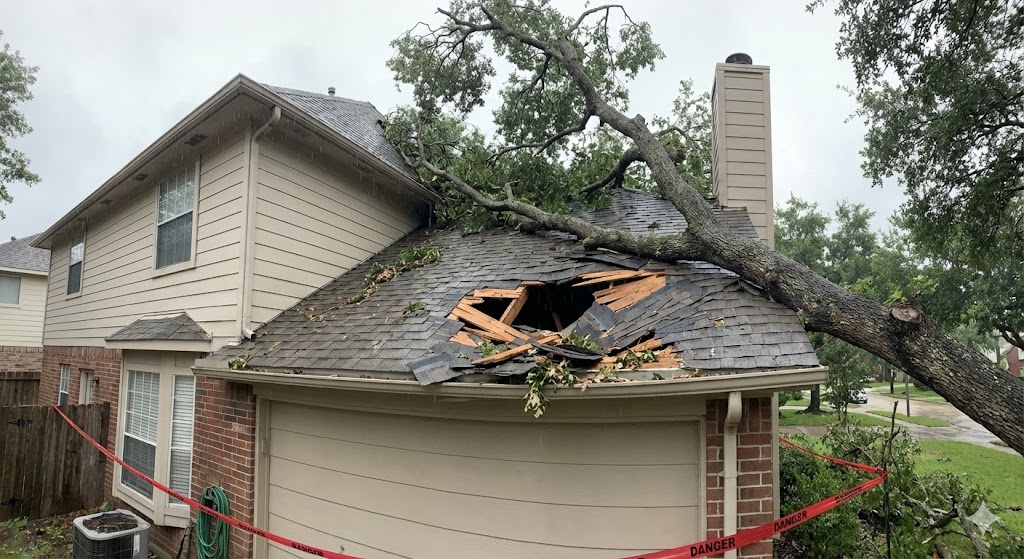
When a tree collapses onto your roof during a sudden incident, insurance becomes the next big step. Now comes the part where you figure out how to get it fixed without emptying your savings. This is where your homeowner’s insurance comes into play, and it can be a bit confusing. Generally, if a tree falls on your roof due to a natural event like a storm, high winds, or heavy snow, your insurance policy should cover the damage. Think of it as one of the ‘perils’ your policy is designed to protect you from.
However, there are definitely some catches. If the insurance company can prove the tree was already dead, diseased, or poorly maintained, and that’s why it fell, they might deny your claim. It’s kind of like if your car breaks down because you never changed the oil – the warranty might not cover it. It’s all about being proactive and staying alert to the condition of the trees around your home, not just for safety, but for your insurance claim for a tree on the roof.
What Your Home Insurance Typically Covers
Most standard homeowner’s policies will cover:
- Damage to your roof and the structure of your home: This includes things like broken shingles, damaged rafters, or holes in your ceiling caused by the tree.
- Damage to other structures on your property: If the tree also took out your shed or detached garage, that’s usually covered too.
- Interior water damage: If the hole in your roof led to water damage inside your house, like ruined drywall or flooring, that should be covered.
- Emergency repairs: Sometimes, they’ll cover the cost of temporary fixes, like tarping your roof to prevent further water damage, while you wait for permanent repairs.
What Insurance Usually Does NOT Cover
It’s not all-inclusive, though. Here’s what you might have to pay for out-of-pocket:
- Tree removal costs: Often, the cost to simply remove the tree or branches from your property isn’t covered, especially if it didn’t cause structural damage to your home. You might have to pay for this separately.
- Damage from poorly maintained trees: As mentioned, if the tree was clearly unhealthy and you didn’t take steps to address it, your claim could be denied.
- Damage from your own tree: If a tree on your property falls on your own house, it’s usually covered. But if your tree falls on your neighbor’s property, their insurance might cover the damage to their home, and you might be responsible for the tree removal on their side.
- Debris cleanup: Sometimes, the general cleanup of leaves and smaller branches that didn’t cause direct damage isn’t included.
Steps to File a Claim Successfully
When you’re dealing with the fallen tree, time is of the essence. Here’s a general game plan:
- Contact your insurance company ASAP: Don’t wait. Call them right after you’ve ensured everyone is safe and the immediate danger has passed. Have your policy number handy.
- Document the Damage: Capture detailed photos and videos from a safe distance (don’t climb on the roof!). Capture the overall damage, close-ups of broken shingles, and any interior water damage. Keep a written log of everything that was damaged.
- Get a professional assessment: Your insurance company will send an adjuster, but it might be wise to get your own estimate from a reputable roofing contractor. This helps you know what to expect.
- Don’t start major cleanup without approval: Wait for the insurance adjuster to inspect the damage before you remove the tree or do significant cleanup. Removing evidence can complicate your claim.
Roof Repair Costs After Tree Damage
Now you’re probably wondering about the damage and, more importantly, how much this is going to set you back. The cost to repair damage from fallen trees can vary widely.
Average Costs for Minor vs. Major Repairs
For smaller issues, like a few cracked shingles or a small hole from a branch, you might be looking at a few hundred dollars. Think of it as the cost of a fancy dinner or two. But when a big limb comes down, or worse, the whole tree, things get pricier. We’re talking about potential structural damage, needing to replace large sections of your roof, or even a full roof replacement. This is where the costs can jump into the thousands, sometimes tens of thousands, especially if the tree limb roof repair cost involves more than just the shingles.
Here’s a rough idea:
- Minor Repairs (e.g., a few shingles, small hole): $300 – $1,000
- Moderate Repairs (e.g., section of decking, multiple shingles): $1,000 – $5,000
- Major Repairs/Partial Replacement: $5,000 – $15,000+
- Full Roof Replacement: $7,000 – $30,000+ (depending on roof size and materials)
Remember, these are just ballpark figures. Your actual repair costs will depend on the extent of the damage, materials, and local labor rates.
Emergency Tarping and Temporary Fix Costs
Before the permanent repairs can happen, you might need some emergency roof repair to prevent further water damage. This usually involves a roofer coming out quickly to tarp the damaged area. It’s a temporary fix, but a really important one. You can expect to pay anywhere from $300 to $1,000 for this service, depending on how much of the roof needs to be covered and how quickly they need to get it done. It’s a necessary evil to protect your home’s interior while you sort out the insurance and the bigger repairs.
When you get quotes, make sure they’re detailed. You want to know exactly what you’re paying for, whether it’s labor, materials, or that emergency tarping. This helps when you’re talking to your insurance company, too.
How to Prevent Roof Damage From Trees in the Future
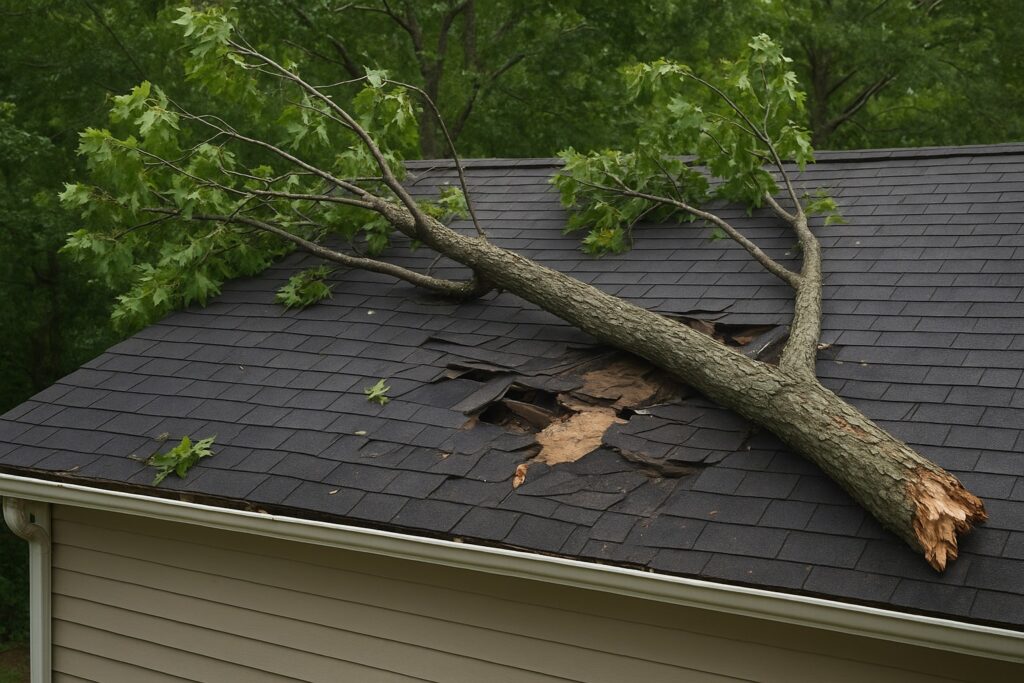
Nobody wants to deal with a tree crashing through their roof. It’s a huge mess and a big headache. Luckily, there are things you can do to lower the chances of this happening. It’s all about being proactive and staying alert to the condition of the trees around your home.
Regular Tree Maintenance and Trimming Tips
Keeping your trees healthy and trimmed is probably the most important step you can take. Overhanging branches are a direct threat, and dead limbs can snap off easily in a strong wind. Think of it like regular check-ups for your car – you wouldn’t wait for it to break down, right?
- Trim branches that hang over your roof. Even a few feet can make a difference. This stops them from scraping shingles or falling directly onto your house.
- Remove dead or dying branches. These are weak points waiting to break. Look for discoloration, brittleness, or a lack of leaves when they should be there.
- Keep your roof clear of debris. Leaves, pine needles, and small twigs can build up. This stuff traps moisture, which can rot your shingles and the wood underneath. It also clogs gutters, causing water to back up.
- Watch for signs of disease or rot. If you see fungus, unusual spots, or if the tree seems to be leaning more than it should, it might be time to call in a professional.
Warning Signs of Dangerous or Weak Trees
Sometimes, trees give off signals that they’re not as strong as they look. Paying attention to these can save you a lot of trouble down the road. It’s better to be safe than sorry, especially when a big storm is rolling in.
- Cracks or splits in the trunk: These are serious. A split trunk means the tree is structurally compromised and could break apart.
- Leaning at an odd angle: While some trees naturally lean, a sudden or significant lean, especially if the ground around the roots looks disturbed, is a red flag.
- Root problems: If you see exposed, damaged, or decaying roots, the tree might not be well-anchored.
- Cavities or hollow spots: Large holes in the trunk can indicate rot or decay inside, weakening the tree.
Regular maintenance and a watchful eye on your trees can significantly reduce the risk of costly roof damage.
Wrapping Up: Protecting Your Home from Tree Troubles
Dealing with tree damage on your roof can feel overwhelming, but remember, you’ve got this. Taking quick action, documenting everything for your insurance, and getting professional help are the big steps. Don’t forget that monitoring the trees around your house and trimming them back regularly can save you a lot of headaches down the road. A little bit of maintenance now can prevent major repairs later. Stay safe out there!
Frequently Asked Questions
What’s the very first thing I should do if a tree falls on my roof?
Your top priority is safety! If the tree has caused major damage, like a hole or a sagging roof, get everyone out of the house right away. If there are downed power lines or gas leaks, call emergency services immediately. Once it’s safe, take pictures of the damage from the ground before you do anything else.
Should I try to remove the tree myself?
It’s really not a good idea. Tree removal is dangerous work, especially when a tree is on your roof. You could get hurt or cause even more damage. It’s best to call a professional tree removal service. They have the right tools and know-how to get it done safely.
How do I let my insurance company know about the damage?
Call your homeowner’s insurance company as soon as you can after the immediate danger is over. Have your policy number handy and be ready to explain what happened. The sooner you start the claim, the faster things can get moving for repairs.
Will my insurance pay for everything?
Usually, homeowner’s insurance covers damage from trees falling due to storms or natural events. But, if the tree was already dead or unhealthy and you didn’t take care of it, they might not cover it. Also, remember you’ll likely have to pay a deductible first.
What if I can’t get a roofer right away?
If you have to wait for repairs, you can put up a tarp to cover the hole or damaged area. This helps keep rain out and stops more water from getting inside your house, which can cause even bigger problems like mold.
How much does it cost to fix a roof damaged by a tree?
The cost really depends on how bad the damage is. Small fixes like replacing a few shingles might only cost a few hundred dollars. But if the tree caused major structural damage or a big hole, it could cost thousands, or even tens of thousands, for a full roof replacement.
What kind of damage can trees cause besides just falling on the roof?
Leaves and small branches can clog your gutters, causing water to back up onto the roof. This can lead to rot and leaks. Also, debris sitting on the roof can wear down shingles over time, making them weaker and more likely to leak.
How can I help prevent trees from damaging my roof in the future?
Regularly check the trees around your house. Trim back branches that hang over your roof. Look for signs of trouble like cracked trunks, dead branches, or fungus. Keeping your trees healthy and trimmed is the best way to avoid future problems.