
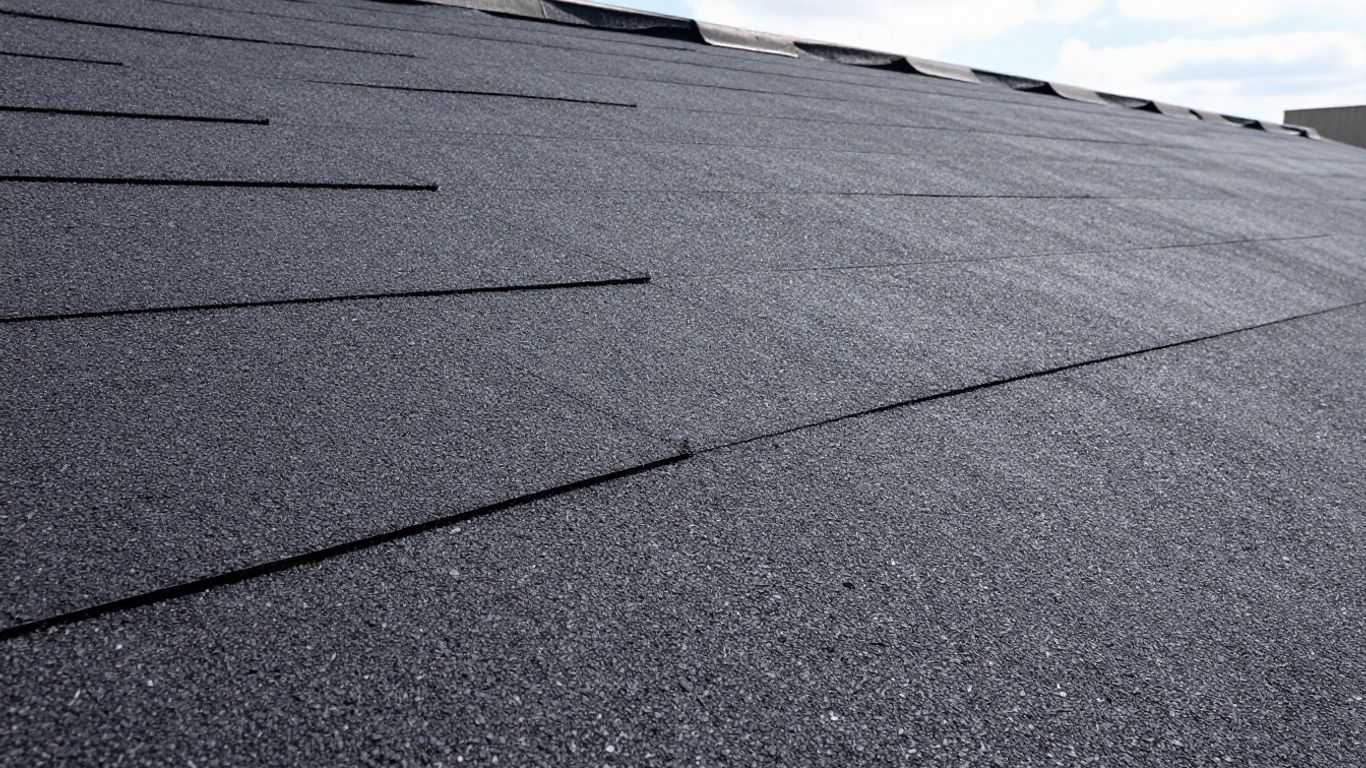
What is Modified Bitumen Roofing?
Modified bitumen roofing, often called “mod-bit,” is a popular choice for flat or low-slope roofs. Think of it as an upgraded version of traditional asphalt roofing. It’s made from asphalt that’s been modified with polymers to make it more flexible and durable. This material comes in rolls and is typically installed in multiple layers.
Understanding the Components
At its core, modified bitumen is asphalt that’s been enhanced. This modification gives it better performance characteristics compared to standard roofing asphalt. The key components usually include:
- Asphalt Base: The foundation of the material.
- Polymers: These are added to the asphalt to improve its elasticity, strength, and resistance to temperature changes. Common polymers are APP (atactic polypropylene) and SBS (styrene-butadiene-styrene).
- Reinforcement: A layer of fiberglass or polyester fabric is often embedded within the asphalt to provide structural integrity and prevent tearing.
- Surfacing: The top layer can be mineral granules, a reflective coating, or foil to protect against UV rays and add to the roof’s appearance.
The way these components are combined and layered is what gives modified bitumen its robust performance, especially on roofs that don’t have a steep pitch.
Types of Modified Bitumen Roofing
There are two main types of modified bitumen, primarily distinguished by the type of polymer used in their modification:
- APP (Atactic Polypropylene): This type offers a more plastic-like quality. It’s known for its excellent UV resistance and good water runoff capabilities. APP is often installed using a torch-down method, which involves heating the underside of the membrane to adhere it to the roof deck. It’s a good option for areas with temperate weather and is generally quite cost-effective, often lasting over 20 years with proper care. It’s a preferred choice for smaller areas.
- SBS (Styrene-Butadiene-Styrene): This type provides a more rubber-like flexibility. SBS modified bitumen is highly regarded for its water resistance and its ability to handle significant temperature fluctuations without cracking. It’s a reliable and affordable choice, often used on larger commercial, industrial, and institutional buildings with low-slope roofs. While commonly installed with a torch-down method, other application techniques can be used depending on the roof’s slope. Its flexibility makes it resilient against extreme weather, and it can withstand damage from things like hailstorms. If you’re in a region that experiences dramatic temperature swings, this might be a better fit. Professionals can help assess the best type of modified bitumen for your specific needs.
Modified Bitumen Roof Installation Process
Installing a modified bitumen roof, especially for a flat roof membrane installation, is a job that requires careful attention to detail. It’s not something you’d typically tackle on a weekend project unless you’ve got some serious roofing experience. The process generally involves a few key stages to make sure everything is sealed up tight and will last for years. A qualified flat roofing contractor can ensure the job is done correctly.
Surface Preparation
Before any new material goes down, the existing roof surface needs to be in good shape. This means cleaning off any debris, loose gravel, or old roofing material. If there are any low spots or areas where water tends to pool, those need to be addressed too, often by adding tapered insulation or a lightweight insulating concrete. A smooth, clean, and dry surface is absolutely critical for the new membrane to adhere properly. Think of it like prepping a wall for paint – you wouldn’t just slap paint on a dirty, bumpy surface and expect it to look good, right?
Application Methods
There are a few ways to install modified bitumen, and the method often depends on the specific product and the roof’s design. The most common ones include:
- Torch-Down Application: This is a popular method, especially for APP-modified bitumen. It involves using a roofing torch to heat the underside of the bitumen rolls. As the material heats up, it becomes sticky and pliable, allowing it to be rolled out and adhered to the roof deck. The heat melts the asphalt, creating a strong bond. It’s important to get the temperature just right – too hot and you can damage the material, too cool and it won’t stick properly.
- Cold Adhesive Application: Some modified bitumen products can be installed using special cold adhesives. These are rolled or troweled onto the roof surface, and then the membrane is laid into the adhesive. This method is often used when torching isn’t feasible or desired, like on certain types of insulation boards or in situations where open flames are a concern.
- Self-Adhering (SA) Application: These membranes come with a factory-applied adhesive on the back. You simply peel off a protective film and roll the membrane into place. It’s a bit like a giant sticker, making it a quicker option in some cases.
Regardless of the method, proper overlap between the seams is vital. This overlap is usually sealed with additional adhesive or by torching to create a continuous, watertight barrier. Missing even a small section can lead to leaks down the road.
Each of these methods has its pros and cons, and a good roofing contractor will know which one is best suited for your specific building and climate. It’s a multi-layered system, and getting each layer right is key to a long-lasting roof.
Modified Bitumen Roof Repair
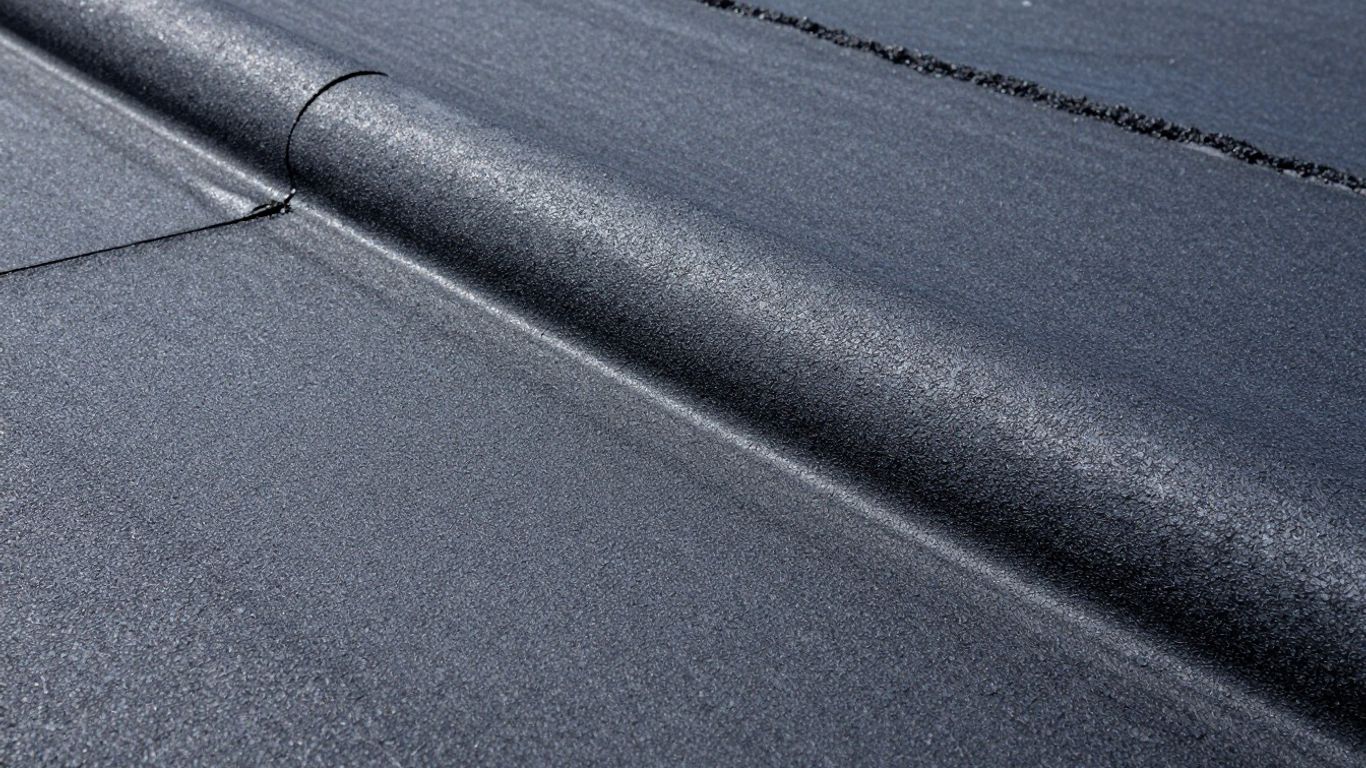
Even the toughest modified bitumen roofing systems can face issues over time. Things like wear and tear, severe weather, or even just age can lead to problems that need fixing. Addressing these issues promptly is key to preventing bigger, more expensive problems down the road.
Common Repair Issues
Modified bitumen roofs are generally quite durable, but they aren’t immune to damage. Some common culprits include:
- Punctures and Tears: These can happen from falling debris, foot traffic, or even sharp objects left on the roof. They create openings for water to get in.
- Blisters and Bubbles: These often form when moisture gets trapped under the bitumen layers during installation or due to leaks. They can eventually crack open.
- Cracked Seams and Flashing: The edges and areas where the roof meets vents or walls (flashing) are common spots for leaks if the seals break down.
- Surface Wear: Over many years, the protective granules on the surface can wear away, exposing the bitumen to UV rays and making it more vulnerable.
DIY vs. Professional Repair
When it comes to fixing your mod bitumen roofing, you’ve got a couple of paths. For minor things, like a small puncture that you catch right away, you might be tempted to grab a patch kit and do it yourself. It’s true, some small repairs on a bitumen roof can be a quick fix.
However, for most situations, especially if you’re not experienced with roofing materials, calling in the pros is usually the smarter move. Commercial roofing repair requires specific knowledge and tools to get it right. A botched DIY job can actually make the problem worse, leading to more leaks and higher costs later on. Professionals have the right materials and techniques to ensure a lasting repair, protecting your investment.
When assessing damage to your modified bitumen roofing, it’s always best to err on the side of caution. If you’re unsure about the extent of the problem or how to fix it properly, get a qualified roofing contractor to take a look. They can identify the root cause and recommend the most effective solution, whether it’s a simple patch or a more involved repair.
Here’s a quick look at when to consider each approach:
- DIY:
- Very small, fresh punctures (smaller than a dime).
- You have the correct patching materials and are confident in your ability.
- The area is easily accessible and safe to work on.
- Professional:
- Any leaks or water intrusion.
- Large tears, blisters, or cracks.
- Issues with flashing or seams.
- Damage from severe weather events.
- When you want the repair to last and be covered by a warranty.
Modified Bitumen Roof Cost Factors
Prices may vary depending on location, roof size, material type, installation method, and the specific requirements of your project.
When you’re looking at getting a modified bitumen roof, the price tag can seem like a big deal. It’s not just one number, though; a bunch of things play into how much you’ll actually end up paying.
The size of your roof is probably the most obvious factor, but don’t forget about how complicated it is. A simple, flat rectangle is way easier and cheaper to cover than a roof with lots of angles, skylights, or vents sticking out. More complex shapes mean more cutting, more seams, and more time for the crew, which all adds up.
Here’s a general idea of what you might see for installation costs in 2025, including materials and labour:
| Project Type | Size (sq. ft.) | Low-End Estimate | High-End Estimate |
|---|---|---|---|
| Small Residential | 1,200 | $5,400 | $9,000 |
| Medium Residential | 2,000 | $9,000 | $15,000 |
| Large Residential | 3,000 | $13,500 | $22,500 |
| Small Commercial | 5,000 | $27,500 | $45,000 |
| Medium Commercial | 10,000 | $55,000 | $90,000 |
Beyond the size and shape, the actual materials you pick make a difference. Modified bitumen comes in two main types: APP and SBS. APP is usually a bit cheaper and great for hot, sunny places. SBS costs a little more but is more flexible when it gets really cold, which is better if you have big temperature swings throughout the year. The thickness of the material matters too; thicker membranes last longer but cost more upfront.
Other things that can bump up the price include:
- Tear-off and disposal: If your old roof needs to be completely removed, that’s an extra cost for labour and getting rid of the old materials. This can add anywhere from $1.00 to $2.50 per square foot.
- Installation method: Some methods, like using a torch, might be cheaper on materials but need really skilled workers and strict safety rules, which can increase labour costs. Cold-applied systems are often faster and safer but might have higher material prices.
- Labour rates in your area: Skilled roofers are in demand, and their rates can vary a lot depending on where you live. Big cities or areas that have seen a lot of storm damage might have higher labour costs.
When you’re getting quotes, make sure you know exactly what’s included. Ask about the specific materials being used, the warranty, and if any extra work like dealing with drainage or structural issues is part of the estimate. Getting a few detailed quotes will help you compare apples to apples and avoid surprises down the road.
While the initial cost is important, remember that modified bitumen is known for lasting a long time, usually 20 to 25 years, especially with good maintenance. Thinking about the long-term value can help you make a smarter choice for your property.
Advantages and Disadvantages
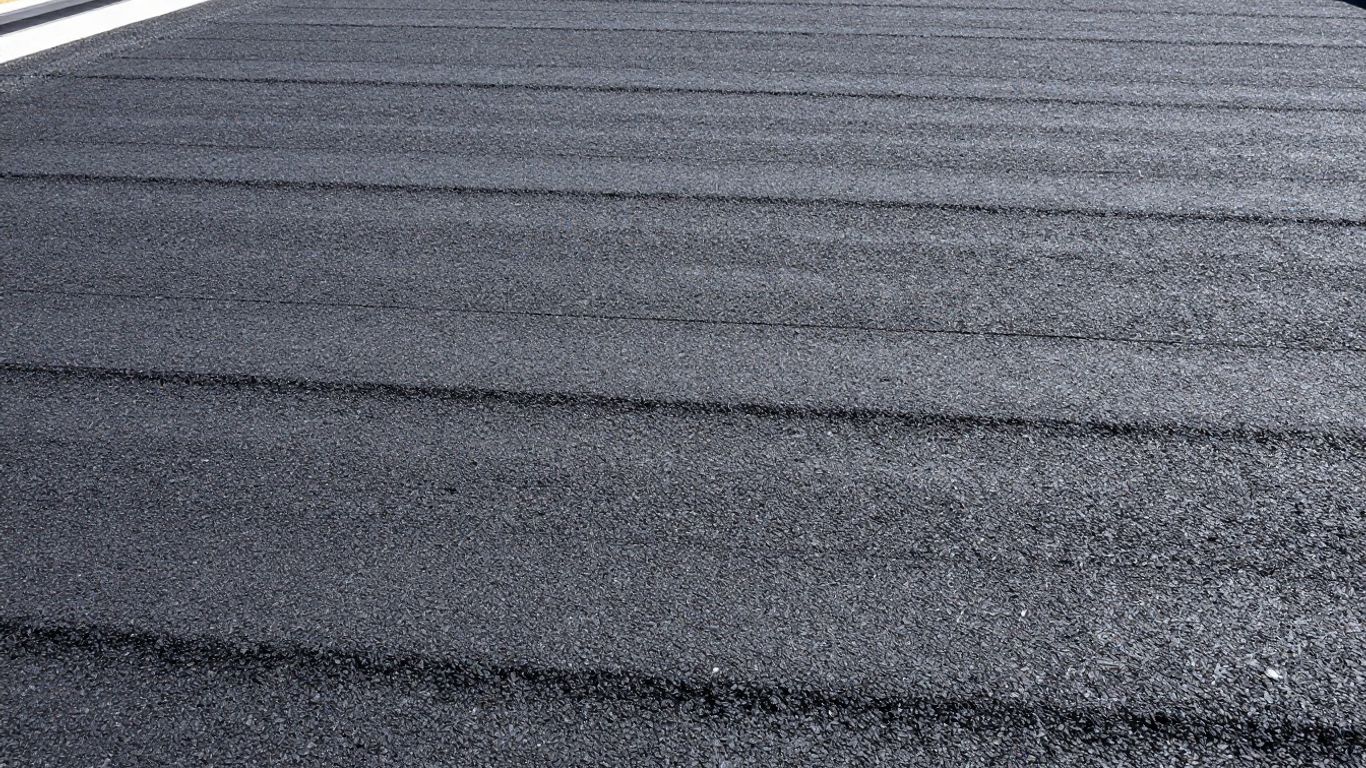
Modified bitumen roofing has been around for a while, and for good reason. It’s a pretty tough material that can handle a lot of what Mother Nature throws at it. Think heavy rain, strong winds, and even some hail. One of its biggest pluses is its durability and resistance to punctures, which is a big deal if you live in an area prone to storms or where debris might fall on your roof.
When it comes to installation, it’s generally straightforward for experienced pros, meaning you might save a bit on labour costs compared to some other systems. Plus, if something does go wrong, repairs are usually pretty simple. You can often patch up small issues without needing to replace huge sections of the roof. This ease of repair can save you money and hassle down the line.
Here are some of the key benefits:
- Durability: It’s built to last, resisting punctures and tears well.
- Weather Resistance: Stands up to wind, rain, and hail.
- Ease of Repair: Minor damage can be fixed without major work.
- Cost-Effective Installation: Often less expensive to put on than some alternatives.
- Flexibility: Can handle temperature changes without cracking.
Now, it’s not all sunshine and rainbows. Modified bitumen tends to absorb heat, especially the darker colours. This means your air conditioning might have to work harder during those hot summer months, leading to higher energy bills. While some newer versions come with reflective coatings, it’s something to consider. Also, while it’s durable, it might not last quite as long as some other flat roofing options out there, meaning you might be looking at replacement sooner.
While modified bitumen offers a solid, reliable roof, especially for its upfront cost and repairability, you do need to keep an eye on its heat absorption. If energy efficiency is a top priority, you might want to explore options with reflective surfaces or factor in the potential for increased cooling costs.
Here’s a quick look at how it stacks up:
| Feature | Modified Bitumen |
|---|---|
| Pros | Durable, puncture-resistant, easy to repair, and cost-effective installation |
| Cons | Can absorb heat (increasing cooling costs), potentially shorter lifespan than some alternatives |
| Typical Lifespan | 15-20 years (with proper maintenance) |
Maintenance and Lifespan
Modified bitumen roofing is known for being pretty tough, and with the right care, it can last a good long while. Most manufacturers expect these roofs to perform well for 20 to 25 years, sometimes even longer. Of course, how long it actually lasts depends on a few things, like the quality of the installation, the specific products used, and, importantly, how well you look after it.
Keeping your modified bitumen roof in good shape isn’t usually a huge hassle. Think of it like regular check-ups for your car – a little attention now can prevent big problems later. Here’s a general idea of what’s involved:
- Annual Inspections: Once a year, it’s a good idea to have someone take a look at the roof. They’ll check for any obvious damage, like cracks or blisters, and make sure the seams are still sealed tight. They’ll also clear out any debris that might be clogging up the drains.
- Minor Repairs: If you spot a small issue, like a little tear or a loose seam, it’s best to get it fixed sooner rather than later. Small patches are way cheaper and easier than dealing with a leak that’s caused water damage.
- Surface Treatments: Depending on the climate and the specific type of modified bitumen, you might need to reapply a protective coating every 8 to 10 years. This helps shield the roof from UV rays and keeps it waterproof.
When it comes to costs, routine maintenance for modified bitumen is generally quite reasonable. You’re probably looking at somewhere in the ballpark of $0.15 to $0.25 per square foot annually for basic upkeep. This might seem like an extra expense, but it really helps protect your investment and can keep your warranty valid.
While the initial cost of modified bitumen might be a bit higher than some other options, its durability and relatively low maintenance needs often make it a smart choice over the long haul. You’re trading a bit more upfront cash for fewer headaches and potentially lower replacement costs down the road.
If you have a reflective ‘cool roof’ finish on your modified bitumen, you might also see some savings on your energy bills, especially during the warmer months. That’s because these finishes help reflect sunlight instead of absorbing it, keeping your building cooler and reducing the strain on your air conditioning.
Wrapping Things Up
So, we’ve gone over the ins and outs of modified bitumen roofing. It’s a solid choice, especially if you’re in Ottawa and your place gets a lot of sun or bad weather. Remember, the cost can change quite a bit depending on the materials you pick, like APP versus SBS, and how big and complicated your roof is. Getting a few quotes from good, licensed roofing contractors in Ottawa is always a smart move. It might cost a bit more upfront to go with a certified pro, but trust me, it’s usually worth it in the long run to avoid headaches and costly fixes later. Think of it as an investment in keeping your place dry and protected for years to come.
Frequently Asked Questions
Is modified bitumen roofing more expensive than TPO or EPDM?
Modified bitumen roofing usually costs about the same as TPO and a bit more than EPDM, depending on the project. However, in places with hot weather and storms, modified bitumen often lasts longer and performs better, making it a better deal in the long run, even if it costs a little more at first.
How long can I expect a modified bitumen roof to last?
With good installation and regular check-ups, a modified bitumen roof can last for about 20 to 25 years. How long it lasts depends on things like how thick the material is, how well it’s put on, and the weather conditions in your area.