
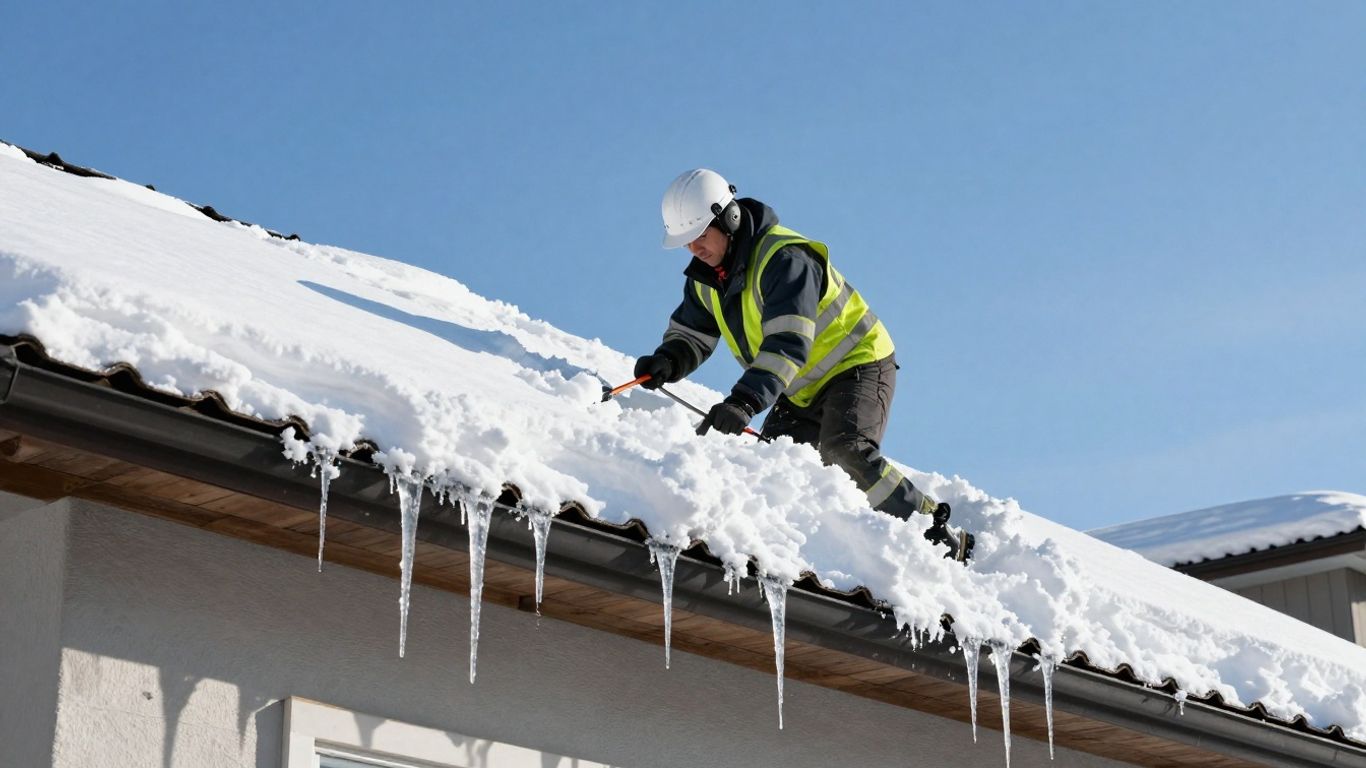
Winter can be beautiful, but all that snow piling up on your roof? Not so much. It looks pretty, sure, but it can also cause some serious headaches for your home. We’re talking about potential damage, leaks, and even structural issues if things get too heavy. That’s why knowing how to remove snow from roof areas is pretty important. It’s not just about keeping your house looking good; it’s about keeping it safe and sound. Let’s break down why this task matters and how to handle it without turning into a DIY disaster.
Key Takeaways
- Heavy snow accumulation puts significant weight on your roof, risking sagging or even collapse. Removing it reduces this stress.
- Ice dams can form when snow melts and refreezes, blocking drainage and causing water to back up under shingles, leading to leaks.
- Using a roof rake from the ground is the safest way to remove snow, avoiding the dangers of climbing on a slippery roof.
- Professionals offer a safer and more efficient way to remove snow, using specialized tools and techniques to prevent damage.
- Regularly clearing gutters and performing roof inspections helps prevent ice dams and identify potential issues early.
Why Professional Roof Snow Removal Is Safer Than DIY
Look, we all want to save a buck, right? And when that white stuff starts piling up, the first thought might be, ‘I can handle this myself.’ But when it comes to your roof, trying to DIY snow removal can quickly turn into a real headache, and honestly, it’s just not worth the risk. Professionals have the right gear and know-how to get the job done without turning your roof into a slippery disaster zone.
Think about it: you’re dealing with ice, snow, and potentially a steep pitch. Climbing up there without the proper training or equipment is a recipe for a fall. Professional crews are trained in safety protocols and have access to specialized tools that make the job safer and more effective. They know how to assess the snow load and remove it strategically, often starting with critical areas like drains to prevent ice dams. This controlled approach helps avoid sudden shifts in weight that could stress your roof structure.
Here’s a quick look at why going pro makes sense:
- Safety First: Professionals use safety harnesses, non-slip footwear, and understand how to work on precarious surfaces. This drastically cuts down the risk of personal injury.
- Proper Tools: Forget struggling with a flimsy roof rake. Experts use specialized equipment designed to remove snow efficiently without damaging your shingles or roofing material. They know how to avoid gouging or puncturing the roof surface.
- Structural Awareness: They understand how snow accumulates and where the stress points are on your roof. This knowledge helps them remove snow in a way that relieves pressure, rather than creating new problems.
- Efficiency: Professionals can clear a roof much faster than an individual, especially after a big storm. This means less time for snow to melt and refreeze, potentially causing more damage.
Trying to tackle heavy snow accumulation on your roof by yourself can lead to serious injuries or costly damage to your home. It’s often best to leave this kind of work to the people who do it for a living and have the right equipment to handle it safely. For more on roof maintenance, check out winter roof care.
When you hire a professional service, you’re not just paying for snow removal; you’re investing in peace of mind and protecting your home from potential winter damage. They handle the dangerous work, so you don’t have to.
Signs Your Roof Needs Snow Removal
Sometimes, you can just look at the sky and know a big storm is coming. But knowing when the snow that lands on your roof is actually a problem? That’s a different story. You don’t want to wait until you hear creaking or see water spots to figure out if your roof is overloaded. Paying attention to a few key signs can help you avoid bigger headaches down the road.
Heavy Snow Accumulation and Ice Buildup
This is the most obvious one, but it’s worth repeating. If you’ve had a lot of snow, especially if it’s wet and heavy, your roof is carrying a significant load. A good rule of thumb is that if you have more than about 6 inches of powdery snow, or just a couple of inches of wet, heavy snow, it’s time to start thinking about removal. Ice buildup, particularly around the edges and in valleys, is also a major concern. Ice dams can form, blocking proper drainage and forcing water back up under your shingles.
- Look for deep snow drifts: Snow tends to pile up more in certain areas, especially around vents, chimneys, or lower sections of the roof. These deeper spots put extra pressure on those specific areas.
- Check for icicles: While some icicles are normal, long, thick ones hanging from your gutters or roof edges can signal an ice dam is forming, trapping water.
- Consider the snow type: Wet, heavy snow weighs a lot more than light, fluffy powder. Even a smaller amount of wet snow can be as damaging as a large amount of dry snow.
Sagging Roof Sections or Structural Stress
This is where things can get serious. When snow and ice get too heavy, they can actually start to bend or sag parts of your roof structure. You might not see the sag from the ground, but you could notice it inside your house.
- Watch your ceilings: Look for any new cracks, bulges, or areas where the ceiling seems to be dipping or bowing downwards. This is a direct sign that the weight above is causing stress.
- Check door and window frames: Sometimes, the pressure from a heavy roof can slightly shift the building’s frame. If doors or windows suddenly become hard to open or close, or if you notice new cracks forming around them, it could be related to roof stress.
- Listen for noises: Unusual creaking, popping, or cracking sounds coming from your attic or the upper parts of your house, especially after a heavy snowfall or during temperature changes, can indicate that the structure is under strain.
Ignoring these signs can lead to more significant problems, like leaks, damaged insulation, or even structural collapse. It’s always better to be safe and get a professional opinion if you suspect your roof is struggling under the weight of the snow and ice.
How Professionals Remove Snow from Roofs Safely
When heavy snow blankets your home, the idea of tackling it yourself might seem appealing, but it’s often the safest and most effective route to call in the pros. They have the know-how and the gear to get the job done without putting themselves or your property at risk. This isn’t just about shoveling; it’s a calculated process.
Step-by-Step Snow Removal Process
Professionals approach roof snow clearing with a clear plan. It’s not just about getting the snow off; it’s about doing it in a way that prevents further problems.
- Initial Assessment: Before touching any snow, experts survey the roof. They check for weak spots, identify drainage areas, and note any existing damage or potential issues. This helps them understand the roof’s load-bearing capacity and plan the best way to clear heavy roof snow.
- Safety First: Setting up safe access to the roof is paramount. This includes using fall protection systems and designating safe zones for snow disposal away from walkways and entrances.
- Strategic Snow Relief: They don’t just clear snow evenly. Professionals often target specific areas first, like roof drains or sections with deeper drifts, to relieve pressure and allow melting snow to escape properly. This is key for safely clearing ice from a roof.
- Controlled Removal: Using specialized tools, they remove snow gradually. The goal is to reduce the weight without damaging the roof’s surface. Snow is never piled back onto the roof.
- Ground Management: As snow comes off, it’s managed at ground level, ensuring it doesn’t block exits or create hazards.
- Post-Removal Check: After the snow is gone, the roof is inspected again to make sure drainage is clear, and no damage occurred during the process.
Tools and Equipment Used by Experts
Calling professionals means they bring the right equipment for the job, which is often more advanced than what a homeowner might have.
- Roof Rakes: While homeowners might use these, professionals have specialized, often extendable, roof rakes designed to reach high areas and pull snow off gently without scraping the roof surface. Some have wheels to protect shingles.
- Snow Melting Systems: For stubborn ice dams, professionals might use heated mats or cables, or carefully applied de-icing solutions that are less likely to harm roofing materials than DIY methods. This is part of professional roof de-icing.
- Safety Gear: This includes harnesses, ropes, non-slip footwear, and protective clothing, all vital for working in slippery, cold conditions.
- De-icing Equipment: Specialized tools for carefully breaking up ice formations and safely removing ice dams.
Professionals understand that the roof is a complex system. Their methods are designed not just to remove snow but to protect the integrity of your roof, preventing costly damage that can arise from improper snow and ice removal. It’s about more than just clearing; it’s about preservation.
This methodical approach is why hiring professionals is often the best way to clear heavy roof snow and deal with ice buildup.
Benefits of Hiring Professionals for Roof Snow
Look, dealing with a snowy roof can feel like a real headache, right? You might think about tackling it yourself to save a buck, but honestly, there are some pretty solid reasons why calling in the pros for roof snow cleanup services just makes more sense. They have the know-how and the gear to get it done without turning your roof into a disaster zone.
Faster and More Efficient Snow Removal
When you’ve got a mountain of snow on your roof, time is kind of important. Professionals aren’t just going to show up and start shoveling randomly. They have a plan. They know where the weight is most likely to cause problems, like around drains or in low spots. They’ll focus on those areas first to relieve pressure safely. Plus, they’re not going to get tired after 20 minutes like you or I might. They’re used to this kind of work and have the right tools to move a lot of snow quickly. This means less waiting around for the snow to melt on its own, which could take ages and still cause issues.
Reduced Risk of Property Damage
This is a big one. Trying to remove snow yourself, especially if you’re not used to it, can easily lead to damage. You could scratch up your shingles, puncture the roof membrane with a shovel, or even cause more stress by piling snow in the wrong place. Professionals, on the other hand, use specialized tools designed to scrape away snow without harming your roof. They also know how to manage the snow once it’s off the roof, making sure it doesn’t pile up against your foundation or block important walkways. It’s about preventing bigger, more expensive problems down the road.
When you hire professionals, you’re not just paying for someone to move snow. You’re paying for their experience, their equipment, and their understanding of how roofs work under stress. It’s a way to protect your investment and avoid potential headaches that can come with DIY attempts.
Here’s a quick look at what you gain:
- Safety First: Professionals are trained to work safely at heights and in slippery conditions, minimizing the risk of falls or accidents.
- Proper Technique: They use methods that reduce the load on your roof without causing structural damage.
- Equipment Advantage: Access to specialized tools means the job is done more effectively and with less risk to your roof.
- Peace of Mind: Knowing the job is handled by experts lets you relax, especially during harsh winter weather.
When to Schedule Professional Roof Snow Removal
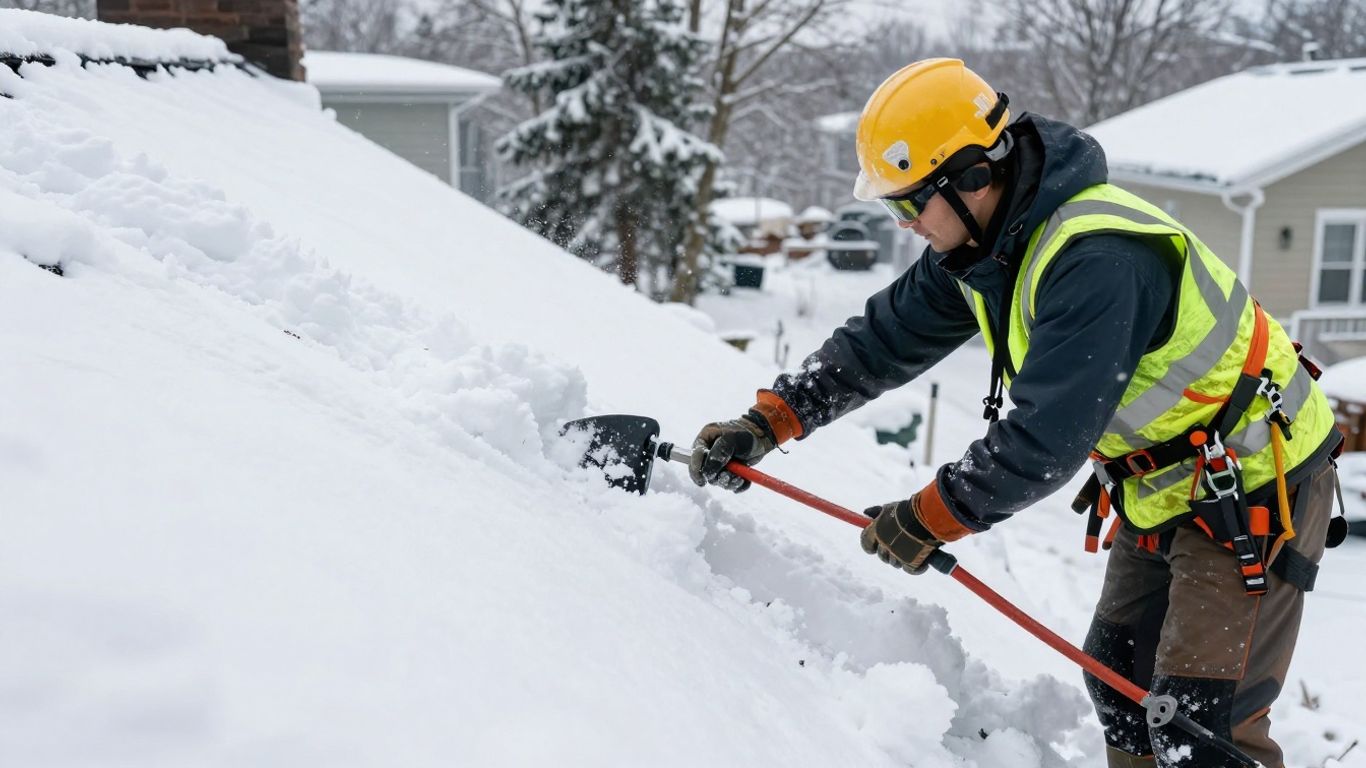
You might be wondering when exactly it’s time to call in the pros. It’s not always about just the sheer amount of snow, though that’s a big part of it. Think about calling for help when you notice any of these signs, or if a big storm is on its way.
Here are some key indicators that it’s time to schedule professional assistance:
- Heavy and Continued Snowfall: If you’ve had multiple feet of snow dumped on your roof over a short period, or if more is expected, it’s a good idea to get it checked out. Professionals can assess the load and remove excess snow before it becomes a problem.
- Wet, Compacted, or Drifting Snow: Dry, fluffy snow is lighter. But when snow gets wet, it becomes much heavier. If you see snow that’s packed down, or if wind has created deep drifts in certain areas, the weight distribution on your roof isn’t even, which can be risky.
- Blocked Drains or Ice Dams: If your roof drains or scuppers are covered in snow or ice, water can’t escape. This can lead to pooling water, which then freezes and thaws, creating ice dams and putting extra stress on your roof. Professionals can safely clear these areas.
- Signs of Structural Stress: Keep an eye out for any visible sagging in your roofline or if you hear any unusual creaking or popping sounds. These could be signs that the snow load is becoming too much for the structure to handle.
- Approaching Structural Load Limits: Building codes specify how much weight a roof can safely hold. If you’ve had exceptionally heavy snowfalls or if your building is older, it’s wise to have professionals assess if you’re nearing those limits.
Don’t wait until you see obvious damage. Proactive snow removal is always better than reactive repairs. If you’re unsure about the snow load or the condition of your roof, it’s always best to err on the side of caution and consult with a professional roofing company.
Final Tips for Maintaining a Safe Roof in Winter
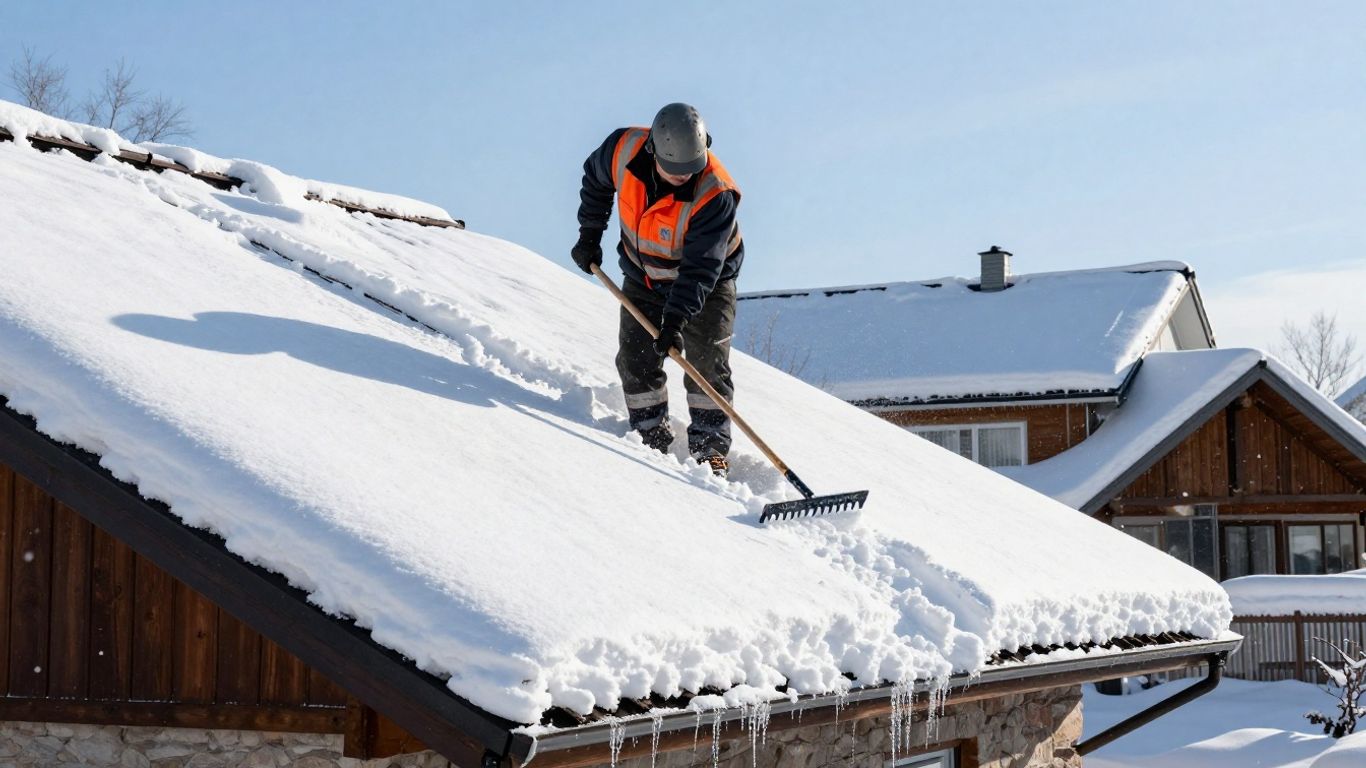
Keeping your roof in good shape during the winter months is all about being proactive. It’s not just about dealing with a big snowstorm when it happens; it’s about setting yourself up for success before and after. A little bit of regular attention can go a long way in preventing roof collapse from snow and other winter woes.
Regular Roof Inspections
Think of your roof like any other part of your house that needs a check-up now and then. You don’t want to wait until you see a leak to find out there’s a problem. Before winter really hits, and even mid-season if we’ve had a lot of snow or ice, take a good look around. Check for any shingles that look loose or damaged, and pay attention to areas where water might collect, like around vents or chimneys. If you notice anything that seems off, like a dip in a section of the roof, it’s a good idea to get a professional to take a look. They can spot issues you might miss and fix them before they turn into big, expensive problems.
Keeping Gutters Clear of Ice and Snow
Your gutters are super important for directing water away from your home. When they get clogged with snow and ice, water can back up and freeze, causing all sorts of trouble. Ice dams can form, which are basically thick ridges of ice that prevent melting snow from draining properly. This backed-up water can then seep under your shingles and into your home, leading to water damage. Make sure your gutters are clear before winter storms arrive, and if you see ice building up, try to carefully break it up from the ground using a roof rake or similar tool. Keeping your gutters clear is a simple step that significantly helps prevent water damage and ice dam formation.
Don’t forget about the smaller details. Things like ensuring your attic is properly insulated can also help prevent ice dams by keeping the roof surface temperature more consistent. A well-maintained roof, combined with smart insulation, is your best defense against winter weather.
Here are a few more things to keep in mind:
- Use the right tools: If you need to clear some snow yourself, a roof rake is your best friend. It lets you pull snow off the ground, which is way safer than climbing up there.
- Dress for the job: Wear warm, waterproof clothing and sturdy, non-slip boots. You don’t want to be worrying about slipping or getting cold while you’re working.
- Know your limits: Snow removal can be tough work. If the snow is too deep, the ice is too thick, or you just don’t feel comfortable, it’s always better to call in the pros. They have the right equipment and experience to handle it safely.
Winter Roof Care with Taylor Roofing Inc
Heavy snow on your roof can cause leaks, ice dams, and costly structural damage if left untreated. Removing it yourself can be risky and may harm your shingles or gutters.
Taylor Roofing Inc offers safe and reliable roof snow removal to protect your home all winter long. Our experienced team uses proper tools and proven methods to clear snow and ice without damaging your roof.
Don’t wait for winter damage to start.
Contact Taylor Roofing Inc today to schedule professional roof snow removal and keep your home protected this season.
Frequently Asked Questions
Why is it better to hire professionals for roof snow cleanup instead of doing it myself?
Hiring pros is safer because they have the right gear and know-how to avoid falls and injuries. Climbing on a snowy roof is super risky! Plus, they know how to remove snow without damaging your shingles or roof structure, which can save you money on repairs down the line.
How much snow on my roof is too much?
A good rule of thumb is that if you have more than a foot of heavy, wet snow and ice, it’s probably time to get it removed. If you see your roof starting to sag or hear creaking sounds, that’s a big warning sign that it’s under too much stress.
What tools do professionals use to remove snow from roofs?
Professionals often use specialized roof rakes with long handles to pull snow off the ground. They might also use snow cutters to break up thick snow and safety equipment like harnesses if they need to get on the roof. Their tools are designed to be effective without harming your roof.
Can I just shovel all the snow off my roof?
It’s actually not a good idea to remove every last bit of snow. Trying to scrape it all off can damage your shingles. It’s best to leave about an inch or two of snow behind. Also, avoid using sharp tools or harsh chemicals, as they can cause damage.
What are ice dams, and how do I prevent them?
Ice dams are ridges of ice that form at the edge of your roof. They happen when snow melts and then refreezes, blocking water from draining. This backed-up water can seep under your shingles and cause leaks inside your home. Keeping gutters clear and removing snow from the lower parts of your roof can help prevent them.
When should I consider calling a professional for snow removal?
You should definitely call professionals if the snow is very deep, if you notice any sagging or hear strange noises from your roof, or if the weather conditions are too dangerous for you to handle safely. It’s always better to be safe than sorry, especially when dealing with heavy snow loads.