
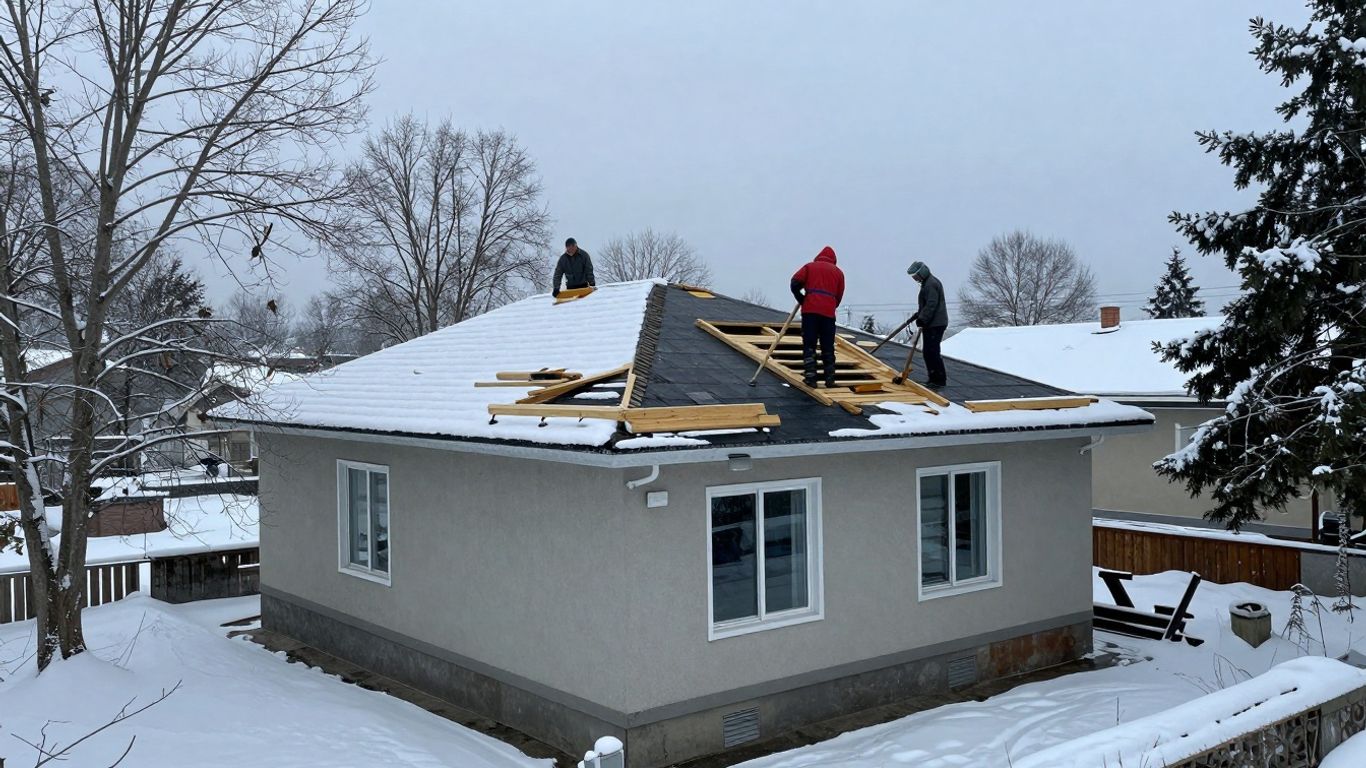
Is Winter the Right Time for Flat Roof Replacement?
So, you’re thinking about getting that flat roof replaced, and winter is rolling in. It’s a question many homeowners ask: Is this actually a good idea? Generally speaking, winter isn’t the best time for roof replacement, especially for flat roofs. The main reason boils down to temperature. Many roofing materials, particularly the sealants that keep your roof watertight, need a certain temperature to bond properly. Manufacturers often recommend temperatures above 40°F (4°C) for installation. When it’s colder, these materials can become brittle, making them prone to cracking or failing to seal correctly. This can leave your new roof vulnerable right from the start.
Beyond material performance, winter brings its own set of challenges. Think snow, ice, and unpredictable weather. These conditions not only make the work site more dangerous for the crew but can also lead to significant delays. Shorter daylight hours mean less time to work each day, and a sudden snowstorm can halt progress for days. It’s a tricky season to get a major project like a roof replacement done.
While a roof replacement can be done in winter, it often requires more specialized techniques and a higher level of care from the roofing team. The goal is always a durable, long-lasting roof, and sometimes waiting for more favorable weather conditions makes achieving that goal simpler and more reliable.
Here’s a quick look at why it’s often put off:
- Material Issues: Cold can make shingles and membranes stiff, increasing the risk of damage during installation.
- Bonding Problems: Sealants might not activate properly, leading to potential leaks later.
- Safety Hazards: Ice and snow create slippery surfaces, making work at heights much riskier.
- Weather Delays: Snow, rain, and wind can easily push back project timelines.
Common Challenges of Winter Flat Roof Replacements
So, you’re thinking about getting that flat roof fixed, and winter’s rolling in. While it’s not ideal, sometimes you just have to do it. But let’s be real, tackling winter roofing repairs when it’s freezing out comes with its own set of headaches. It’s definitely not as straightforward as a summer job.
Cold Temperatures and Material Performance
One of the biggest issues is how the cold messes with roofing materials. Most flat roofing membranes and sealants are designed to work best when it’s warmer. When temperatures drop below, say, 40°F (4°C), things get tricky. Materials can become brittle and more prone to cracking when you try to bend or install them. This means that the sealants that are supposed to keep your roof watertight might not bond properly right away. You might end up with a roof that isn’t fully sealed until a warmer spell hits, leaving it vulnerable.
Moisture and Ice Issues
Winter means snow, ice, and general dampness. For flat roofs, which don’t shed water as easily as sloped ones, this is a big deal. Snow accumulation can add a lot of weight, potentially causing the roof structure to bow. Then there’s the freeze-thaw cycle. Water gets into small cracks, freezes, expands, and makes those cracks bigger. This can really degrade the roof over time. Plus, ice dams can form at the edges, pushing water back up under the membrane. Dealing with existing moisture and preventing new water intrusion is a constant battle during cold-weather flat roofing projects.
Shorter Daylight Hours and Weather Delays
Let’s face it, winter days are short. You’ve got less daylight to work with, which naturally slows down any outdoor project. Add in the possibility of sudden snowstorms, high winds, or freezing rain, and you’re looking at potential delays. A project that might take a few days in good weather could stretch into weeks when you’re constantly battling the elements. This unpredictability can make scheduling and budgeting a real headache.
Safety Concerns for Workers
Working on a roof is already risky, but winter adds extra hazards. Ice and frost make surfaces incredibly slippery, increasing the chance of falls. High winds can be more common and make working at heights even more dangerous. Proper safety gear, like traction boots and fall protection systems, is absolutely necessary, but even with the best precautions, the risk is higher. Workers have to move more cautiously, which, as you might guess, also adds to the project timeline.
Solutions for Successful Winter Flat Roof Replacements
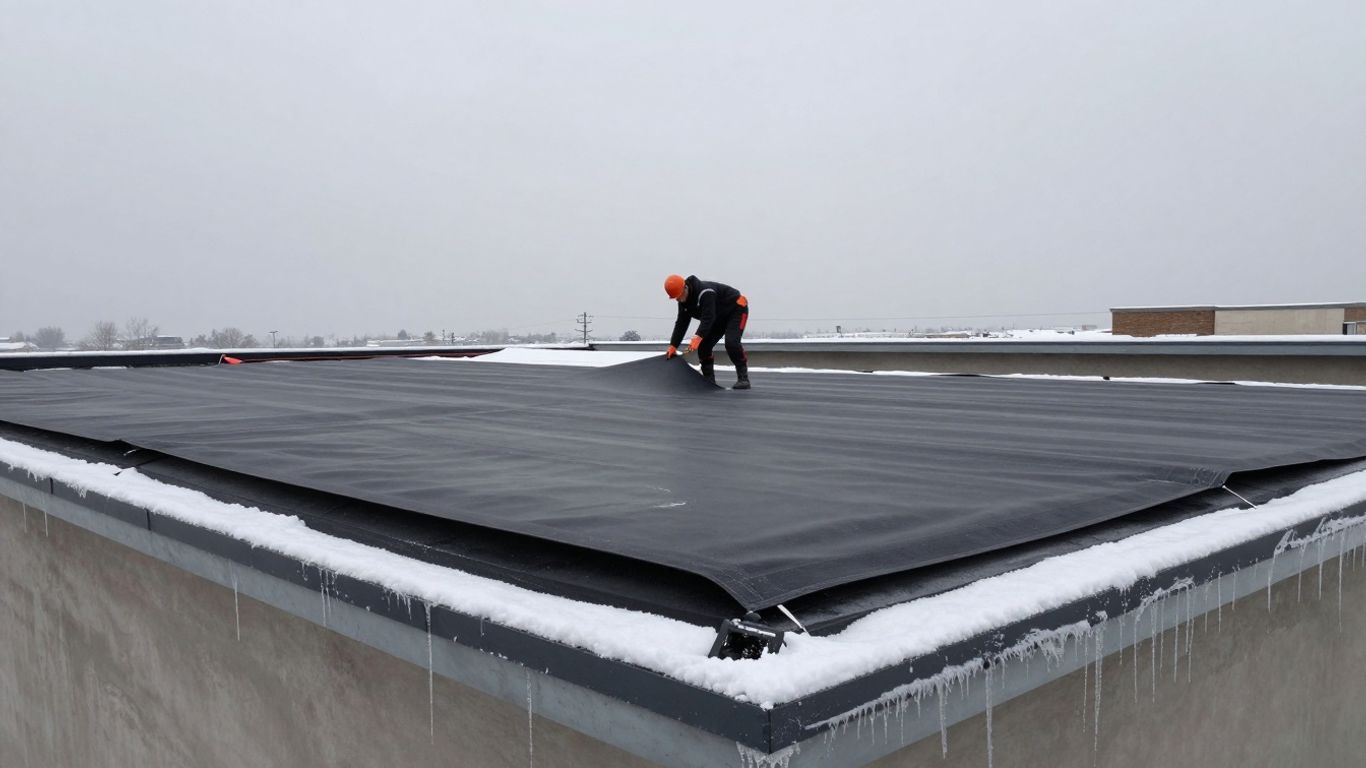
So, you’re facing the prospect of replacing your flat roof in the dead of winter. It’s not ideal, but sometimes life happens, and you just have to get it done. The good news is, it’s totally doable with the right approach. The key is preparation and using the right methods.
Choosing the Right Materials for Cold Weather
Not all roofing materials are created equal when it comes to freezing temperatures. Some adhesives and sealants just won’t cure properly when it’s too cold, leaving your roof vulnerable. You’ll want to look for materials specifically designed for cold-weather applications. Many manufacturers offer specialized products that remain flexible and can bond effectively even when the mercury drops. It’s worth discussing these options with your contractor to make sure you’re getting the best performance for your situation. Some materials might require manual sealing, which adds time but is better than a faulty seal.
Advanced Installation Techniques
When replacing commercial roofs in winter, standard installation methods might need a tweak. For instance, some single-ply membranes can become brittle in the cold, making them prone to cracking if not handled carefully. Experienced crews know how to warm materials slightly before installation or use specific primers to help with adhesion. They also understand that working on a slippery, icy surface requires extra caution. This means moving more slowly and using specialized safety gear, which is just part of the process when you’re working in less-than-ideal conditions. These aren’t just generic flat roof installation tips; they’re specific adaptations for winter.
Importance of Proper Site Preparation and Protection
Before any work even begins, getting the site ready is a big deal. This means clearing snow and ice thoroughly. You don’t want your crew slipping and falling, and you certainly don’t want melting snow compromising new materials. Sometimes, temporary shelters or enclosures are used to create a more controlled environment, protecting the work area from wind and precipitation. This helps keep the materials at a more stable temperature and allows for a better installation. Think of it as creating a mini-workplace within the winter weather.
Working with Experienced Professionals
This is probably the most important point. Trying to tackle a winter roof replacement without a seasoned crew is asking for trouble. Professionals who regularly handle replacing commercial roofs in winter know the tricks of the trade. They understand the material limitations, the safety protocols, and how to manage weather delays. They’ll also be upfront about what’s realistic and what’s not. Finding a reputable company with a proven track record in winter conditions is your best bet for a successful project. You can check out local roofing services to find qualified contractors in your area.
Winter roof replacements often take longer than in warmer months. This is due to shorter daylight hours, potential weather delays, and the need for slower, more cautious work to ensure safety and proper material application. Patience is key, and it’s important to factor this extended timeline into your planning.
When to Consider Postponing Your Flat Roof Replacement
Look, sometimes, even with the best intentions and the most skilled crew, winter just isn’t the right time to tackle a full flat roof replacement. It’s not a sign of failure; it’s just being smart about your property and your wallet. If the weather forecast looks like a constant barrage of snow, ice, and brutal winds, it might be worth hitting the pause button. Trying to force a replacement in truly terrible conditions can lead to shoddy work, material issues, and even safety hazards for the workers.
Here are a few things that might make you want to wait:
- Extreme Cold: We’re talking temperatures that make roofing materials brittle and difficult to work with. Some sealants just won’t bond properly when it’s freezing, leaving your new roof vulnerable from day one.
- Constant Precipitation: If it’s raining, snowing, or sleeting day after day, it’s nearly impossible to get a dry surface to install new materials on. This can trap moisture, which is a big no-no for roof longevity.
- Unpredictable Weather Spikes: Even if you have a few decent days, if the forecast shows a major storm system moving in soon, it might be better to wait until things calm down. A half-finished roof during a blizzard is a recipe for disaster.
- Significant Ice Buildup: If your roof already has a thick layer of ice that’s proving difficult and dangerous to remove, it’s probably not the best time for a full tear-off and replacement. Safety first, always.
Sometimes, the most proactive step you can take is to simply wait for better conditions. A little patience can prevent much bigger headaches and expenses down the road. It’s about choosing the optimal time, not just any time.
If you’re seeing any of these signs, it’s probably a good idea to talk to your roofing contractor about rescheduling. They’ll be able to give you the best advice based on your specific situation and the current weather patterns. It’s better to have a solid, well-installed roof a few weeks or months later than a poorly done one that causes problems all year.
Wrapping Up Winter Roof Work
So, while putting a new roof on your flat-top home during the colder months isn’t ideal, it’s definitely not impossible. We’ve seen that things like brittle materials, tricky sealant issues, and the simple fact that it’s slippery out there mean you really need to find a roofer who knows their stuff. They’ll have the right gear and know-how to handle the cold. It might take a bit longer, and you might need some extra steps like manual sealing, but getting it done means avoiding bigger headaches down the road. Just remember, a good roof is worth the effort, no matter the season.
Frequently Asked Questions
Is it a bad idea to replace my roof in the winter?
Replacing your roof in the winter can be tricky. Cold weather makes some roofing materials brittle and hard to stick together properly. Plus, snow and ice make it dangerous for workers. While it’s possible, it often takes longer and needs extra care from experienced roofers.
What are the biggest problems with winter roof replacements?
The main issues are the cold temperatures affecting how materials work, the risk of ice and moisture causing problems, shorter days limiting work time, and safety concerns for the crew due to slippery conditions and harsh weather.
Can roofing materials break in the cold?
Yes, very cold weather can make some roofing materials, like shingles, stiff and easy to crack or break when they’re handled or bent during installation. This means they might not lay flat or seal correctly.
How does cold weather affect shingles sealing?
Many shingles have a special strip that needs warmth to melt and seal them together, making the roof waterproof. When it’s too cold, this strip doesn’t activate properly, leaving gaps that could let wind and water in until it warms up enough to seal.
Are there special materials for winter roof replacements?
Some roofing materials are made to handle colder temperatures better or can be installed with special adhesives that work in the cold. Choosing the right materials designed for winter conditions is key to a successful replacement.
What safety precautions are needed for winter roof work?
Workers need special gear like boots with good grip and safety harnesses to prevent falls on icy or snowy roofs. They also have to move more carefully, which adds time to the job but is crucial for everyone’s safety.