
Common Signs Your Roof May Be Leaking
Spotting a roof leak early can save you a lot of headaches and money down the line. Sometimes, the signs are pretty obvious, but other times, they can be a bit sneaky. Paying attention to what’s happening inside your home is often the first clue.
Water stains on ceilings and walls
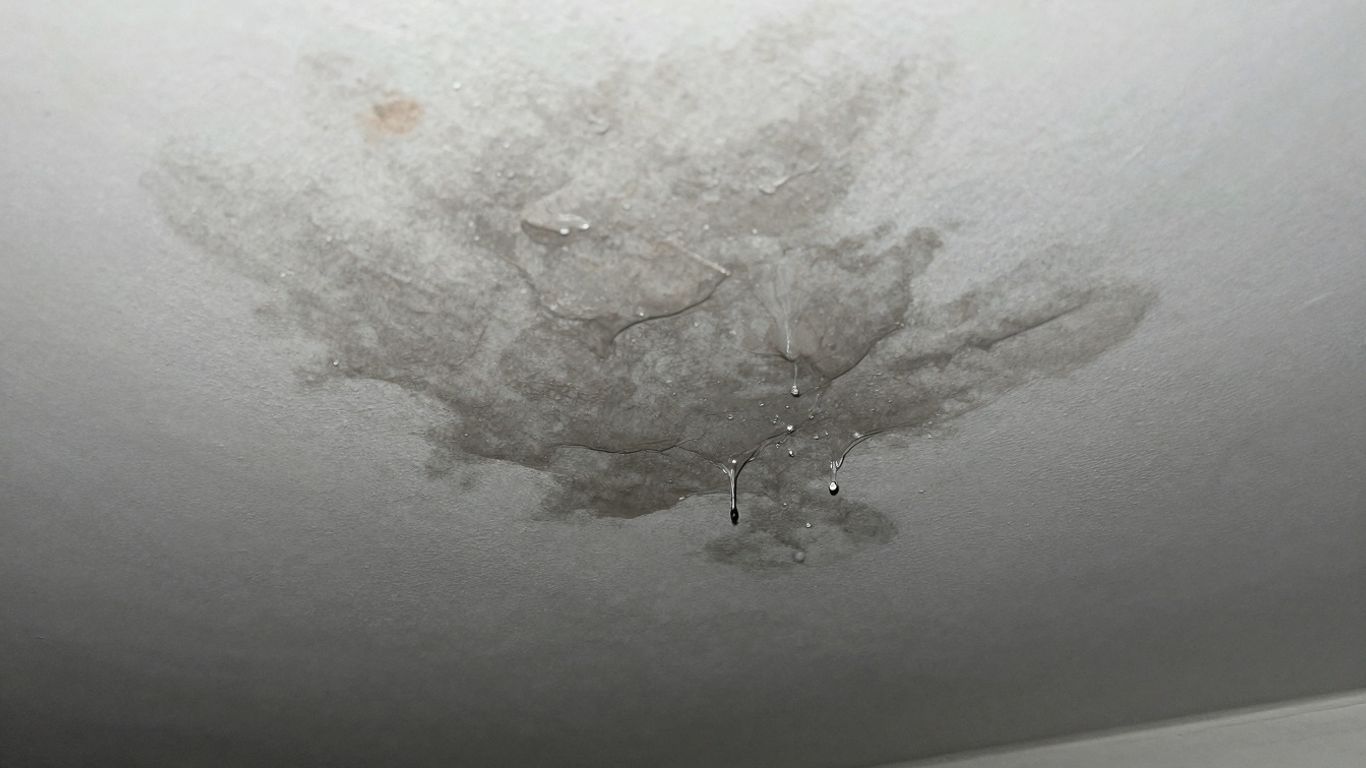
Those discolored patches on your ceiling or walls are a classic indicator that water has found its way in. They might start as small, yellowish spots and can grow over time, especially after heavy rain. Don’t just paint over them; that’s like putting a Band-Aid on a serious wound. These stains mean moisture is getting through your ceiling materials, and if left unchecked, it can lead to mold growth, damaged insulation, and even structural issues.
- Look for rings or spreading discoloration.
- Check corners and edges where walls meet the ceiling.
- Notice if the stain darkens or grows after it rains.
Ignoring water stains on your ceiling is a risky move. What seems like a minor blemish could be a sign of deeper problems like compromised roof decking or failing seals, leading to more extensive damage and costly repairs.
Missing, cracked, or curled shingles
Your shingles are the first line of defense against the elements. When they’re damaged, they can’t do their job effectively. Missing shingles leave sections of your roof exposed, making it easy for rain to seep underneath. Cracked shingles create direct entry points for water, and curled or buckled shingles often indicate that moisture is getting trapped underneath, potentially rotting the wood below.
- Missing Shingles: Look for bare spots on your roof where shingles should be.
- Cracked Shingles: Inspect for splits or breaks in the shingle material.
- Curled or Buckled Shingles: These often lift at the edges, creating gaps.
It’s also worth checking areas around vents, chimneys, and skylights, as these are common spots where shingles can be compromised or where flashing might fail, leading to a roof leak.
How to Check for Roof Leaks Step by Step
Finding a roof leak can feel like a treasure hunt, but it’s one you definitely want to win to protect your home. You don’t always need to call in the pros right away; sometimes, you can pinpoint the problem yourself. The key is to be systematic and look for clues.
Inspect your attic for moisture and mold
If you have attic access, this is your first stop. Before you head up, think about your insulation. If you suspect asbestos, don’t go in. For other types, wear protective gear like gloves, goggles, and a mask. Bring a flashlight, too.
Once inside, look for anything out of the ordinary above where you saw the leak inside your house. Keep an eye out for:
- Dark spots on wood or insulation.
- Any signs of mold or a musty smell.
- Discoloration or water stains on building materials.
- Condensation on nails or metal parts.
- Damp or damaged insulation.
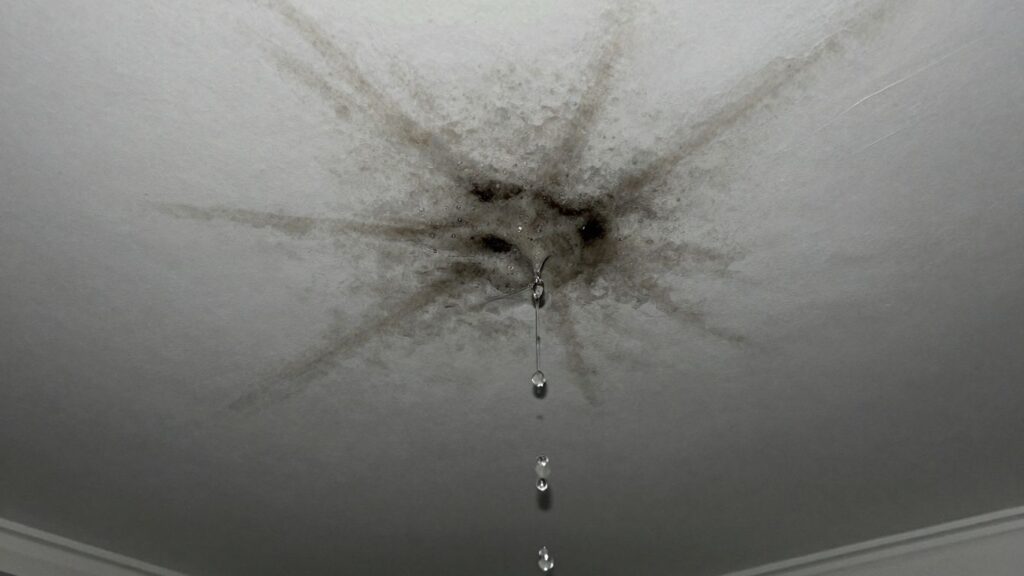
Sometimes, you might see “shiners” – nails that missed the framing. These can collect condensation. If you spot them, you can carefully clip them flush to stop any dripping. Also, check near common leak spots like chimneys, vents, or skylights. If you can’t find any water, but still have a leak, it might be something else, like condensation from poor ventilation, especially in colder weather. A professional can help figure this out.
If the leak is severe, be cautious about the ceiling’s integrity. Water damage can weaken it, and you don’t want to fall through. If you’re unsure, it’s best to ask a professional before entering the attic.
Examine flashing, gutters, and roof edges
Water doesn’t always drip straight down. It can travel quite a distance. Start your search uphill from where you see the leak inside. Look closely at areas where different parts of the roof meet, like valleys or where the roof meets a wall (these are called step flashing areas). Also, check around any openings that go through your roof, such as plumbing vents or chimneys. These spots are common culprits for identifying roof problems.
- Flashing: Check metal flashing around chimneys, vents, and skylights. Look for rust, cracks, or sections that have pulled away. For vent boots, inspect the rubber or plastic for tears or cracks. Sometimes, loose nails can be the issue.
- Gutters: Make sure your gutters are clear of debris. Clogged gutters can cause water to back up and seep under shingles, especially during heavy rain or snowmelt. This is a common cause of ice dams in winter.
- Roof Edges: Inspect the edges of your roof for any signs of damage or lifting shingles.
If you can’t find the source of the leak easily, a helper and a garden hose can be useful. Start by wetting one section of the roof at a time, working your way up from the bottom. Have your helper watch inside for any drips. This methodical approach can help you isolate the problem area. Remember that winter weather can be tough on roofs, and issues like ice dams can cause water to back up and seep into your home, so paying attention to these areas is important, especially after Ottawa winters or during the colder months.
Don’t rely solely on caulk for repairs; it’s often a temporary fix. For more lasting solutions, you might need to replace flashing or shingles. If you’re uncomfortable with any of these steps or suspect a major issue, it’s always best to consult a qualified Roofing Contractor. They have the tools and experience to safely inspect and repair your roof.
Seasonal Roof Inspection Tips for Homeowners
Keeping an eye on your roof throughout the year is a smart move. Different seasons bring different challenges, and a little regular checking can save you a lot of headaches and money down the road. Think of it like changing the oil in your car – it’s just good maintenance.
Checking after heavy rain or storms
After a big storm rolls through, especially if it brought heavy rain or strong winds, it’s a good idea to take a look. This is your prime time to spot damage that might have happened suddenly.
- Visual Scan from the Ground: Walk around your house and look up. See any shingles that look out of place, like they’ve been lifted or blown off? Check for any debris that might have landed on the roof and could cause damage.
- Gutter Check: Are your gutters overflowing or pulling away from the house? Clogged gutters can force water back up under your shingles, which is never good.
- Interior Check: If you can safely access your attic, do a quick look-see for any new water stains or damp spots on the underside of the roof decking or on your insulation. This is a clear sign that water is getting in.
Winter and ice dam considerations
Winter can be tough on roofs. Ice dams, those ridges of ice that form at the edge of your roof, are a common culprit for leaks. They happen when snow melts and then refreezes, creating a barrier that forces water to back up under your shingles.
- Watch for Ice Buildup: Keep an eye on the edges of your roof, especially in areas where snow tends to accumulate. If you see thick ice forming, it’s a warning sign.
- Gutter Maintenance is Key: Make sure your gutters are clear of leaves and debris before winter really sets in. Clogged gutters contribute to ice dam formation.
- Ventilation Matters: Proper attic ventilation helps keep the roof surface cold, which can prevent ice dams from forming in the first place. If you suspect poor ventilation, it might be time to look into Roof Repair Services.
Sometimes, a small issue you spot during a seasonal check can be a simple fix. However, if you’re seeing a lot of missing shingles, significant sagging, or if you’re unsure about what you’re looking at, it’s best to call in the pros. Trying to do major repairs yourself without the right knowledge or equipment can actually cause more damage or put you in a dangerous situation. For those tricky spots or if you’re not comfortable with heights, a DIY roof inspection guide is helpful, but professional help is often the safest bet.
If you’re dealing with a sudden leak, especially during bad weather, knowing when to call for emergency roof repair tips or services is important. Don’t wait around if you see water coming inside; the longer it sits, the more damage it can do.
When to Seek Professional Help
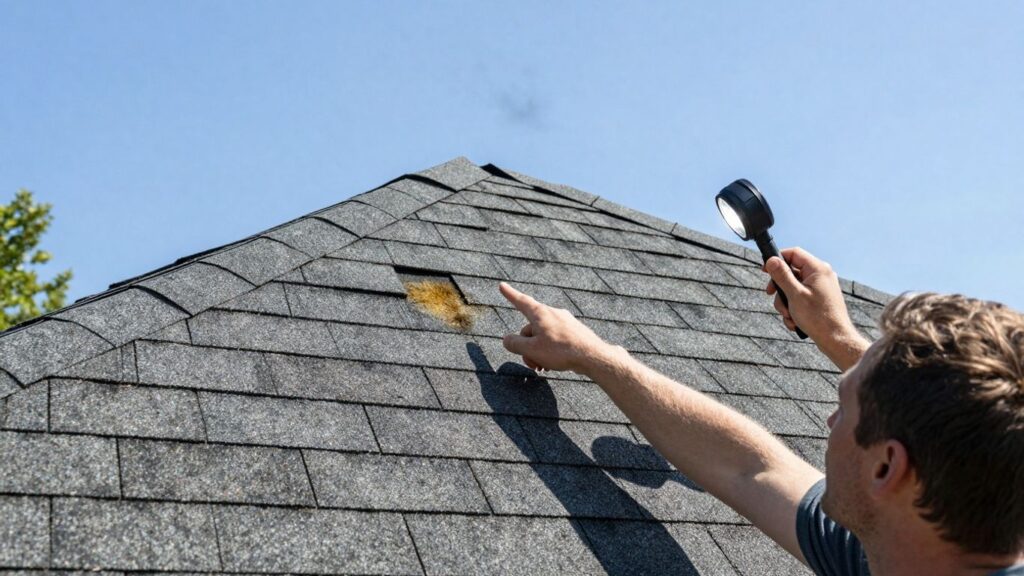
Sometimes, a little drip or a small stain might seem manageable. You might think about grabbing a bucket or some caulk and calling it a day. But honestly, some problems are just too big to handle on your own. If you notice any of these things, it’s probably time to call in the pros:
- Extensive Water Stains: We’re not talking about a tiny spot. If you see large, spreading water stains on your ceiling or walls, especially if they’re dark or look like they’re getting worse, that’s a big sign. It means water has been getting in for a while.
- Sagging Ceilings: This is a serious one. If a section of your ceiling looks like it’s starting to droop or bulge, it’s likely holding a lot of water. This can lead to a collapse, which is dangerous and messy.
- Visible Mold or Mildew: That fuzzy stuff isn’t just unsightly; it can be bad for your health. If you see mold or smell that musty odor, especially in your attic or near a leak, it means moisture has been present long enough for mold to grow. This often requires professional remediation.
- Damage After a Major Storm: After a really bad storm with high winds or heavy hail, your roof might have taken a beating. Even if you don’t see an immediate leak, it’s smart to have a professional check for hidden damage like lifted shingles or compromised flashing.
- Electrical Hazards: If water is dripping near light fixtures, outlets, or any electrical wiring, stop what you’re doing and call for help immediately. Water and electricity are a dangerous mix, and this could pose a fire risk.
Ignoring a leak, no matter how small it seems, can turn into a much bigger and more expensive problem down the road. Think of it like a small cut that gets infected if you don’t clean it properly.
How to Schedule a Professional Inspection for Peace of Mind
Getting a professional to look at your roof can give you a lot of peace of mind. It’s not just about fixing what’s broken; it’s about preventing future headaches. Here’s how to go about it:
- Find a Reputable Roofer: Ask friends, family, or neighbors for recommendations. You can also check online reviews, but be sure to look for companies with a good track record and proper licensing and insurance. A good roofer will be happy to show you their credentials.
- Schedule an Inspection: Call the roofer and explain what you’ve noticed. They’ll set up a time to come out and inspect your roof, attic, and any affected areas. Be prepared to tell them about any past issues or concerns you have.
- Get a Detailed Report: A professional inspection should come with a clear report. This report should outline their findings, explain any problems they found (with pictures if possible), and provide a detailed estimate for any necessary repairs. Don’t be afraid to ask questions if something isn’t clear.
- Consider the Timing: While you should call immediately if you have an active, serious leak, routine inspections are best done in milder weather, like spring or fall. This makes it safer for the inspector and often leads to more accurate assessments.
Don’t wait for a small drip to become a major disaster. Getting a professional opinion can save you time, money, and a whole lot of stress in the long run.
Frequently Asked Questions
What are the first signs that my roof might be leaking?
Keep an eye out for water spots or stains on your ceiling or walls. Sometimes, you might notice peeling paint or even mold growing in certain areas. If you see any of these, it’s a good idea to check your roof more closely.
Can I check for a roof leak myself?
Yes, you can often find leaks yourself! Start by looking in your attic for any wet spots, mold, or dark stains on the wood. Also, examine the parts of your roof that stick out, like chimneys and vents, and check your gutters to make sure they aren’t blocked.
What’s the best way to find a leak if I can’t see it easily?
If you have a helper, you can use a garden hose on a dry day. Soak one section of the roof at a time, starting from the bottom and working your way up. Have your helper watch inside for any drips. This systematic approach can help pinpoint the exact spot.
What if I find water in my attic, but it hasn’t reached the ceiling yet?
That’s great that you found it early! Look for wet insulation, dark stains on the wooden parts of your roof (decking), or even mold. Sometimes, you might see ‘shiners,’ which are nails that missed the wood framing and can collect moisture. Fixing these early can prevent bigger problems.
When should I call a professional roofer?
If you see large water stains, sagging ceilings, or if you’re uncomfortable going onto your roof or into your attic, it’s time to call a pro. Also, if you’ve tried to find the leak but can’t, a professional has the tools and experience to locate and fix it properly.
How often should I check my roof for problems?
It’s wise to inspect your roof at least twice a year, usually in the spring and fall. You should also give it a good look after any major storms, heavy rain, or high winds. Checking regularly helps catch small issues before they turn into big, costly leaks.